The first flowers are usually the harbingers of spring in Ukraine. These delicate and attractive flowers adorn ravines and forests, signaling the change of seasons. But their beauty makes them extremely vulnerable—there are plenty of people who want to pick or dig up the plants. However, such actions are punishable by law.
The State Environmental Inspection has announced the current legal sanctions.
The need for protection
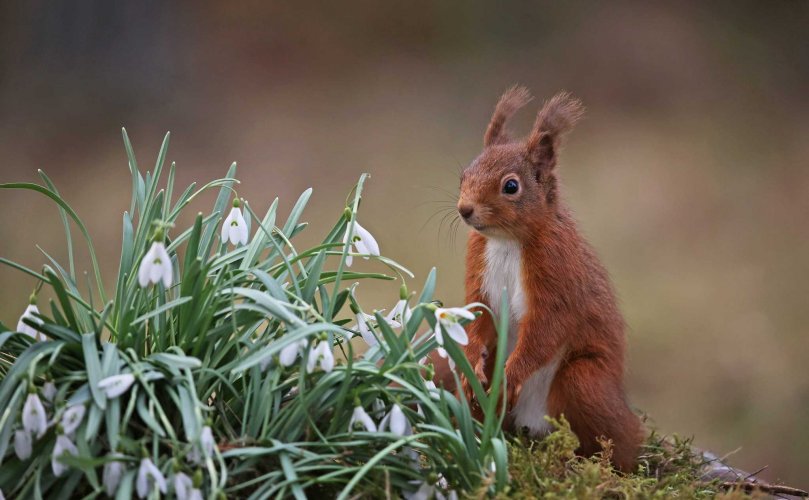
The first spring flowers bloom early, but very quickly. A large number of such plants are listed in the Red Book of Ukraine. These include, in particular, Heuffel's crocus, snowdrops, and spring adonis.
The main enemy of early spring flowers is people. Plants are collected en masse for trade and dug up for transplanting. As a result of such short-sighted and consumerist attitudes, the population of flowers has declined sharply.
For some, a picked flower may be a delight to the eye for a few days. In nature, however, this often means the destruction of an entire colony of plants that has been forming for years.
Protected by law
Illegal actions regarding the first spring flowers are subject to administrative liability.
Sale of flowers and illegal purchase of wild plants. Sanctions for this violation are regulated by the Code of Ukraine on Administrative Offenses (CUAO). Article 88-1 of the code stipulates the following fines:
- from 510 to 1,700 UAH with confiscation for more common species;
- from 1,700 to 3,655 UAH with confiscation for plants listed in the Red Data Book of Ukraine or protected by international agreements.
Illegal destruction of the first spring flowers. For violating plant protection requirements under Article 90 of the CUAO, fines amount to:
- from 340 to 510 UAH for individuals;
- from 510 to 850 UAH for officials.
In addition, violators must compensate for the damages for every flower they picked or dug up. The penalties vary depending on the species. Here are a few examples:
- 62 UAH – for a single sprig of wild garlic (bear's leek);
- from 49 to 62 UAH – for a crocus (saffron) or scilla flower, depending on the species;
- from 37 to 62 UAH – for each pasqueflower.
These relatively low sums should not mislead offenders – even a small bouquet can result in damages of several thousand hryvnias.
The State Environmental Inspectorate stated that from late February to May, they intensify the monitoring of sites where the first spring flowers may grow, as well as spontaneous markets and points of sale.
"It is important to understand that demand creates supply. Every purchased flower actually stimulates further destruction of natural areas. Most first spring flowers recover poorly after being damaged, and some species take decades to form stable populations," the SEI emphasizes.
EcoPolitic has previously explained why it is better to use leaves as fertilizer and a natural soil filter instead of burning them.