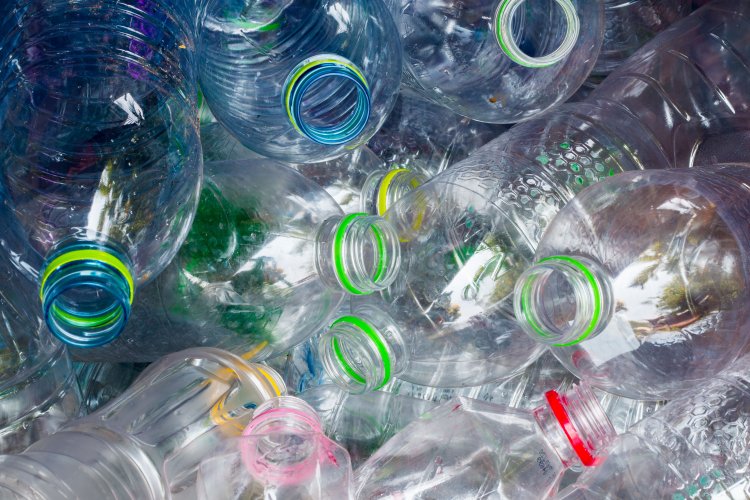
Plastic pollutes the environment throughout its entire life cycle. From raw material extraction to disposal, all these processes are accompanied by emissions and significant energy consumption, the production of which also pollutes the Earth.
As reported by DW, researchers from Germany decided to calculate how many years the plastic industry is taking away from humanity. In The Lancet Planetary Health journal, they published the results of modeling six possible scenarios in which we reduce or increase plastic production.
Scale and consequences
Humanity is becoming increasingly dependent on plastic products, so global consumption will triple by 2060. These figures are predicted by the Organization for Economic Cooperation and Development. The harm caused by plastic will also triple.
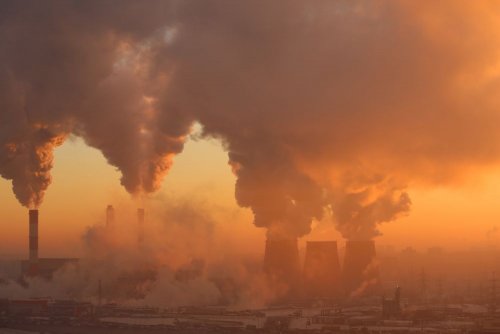
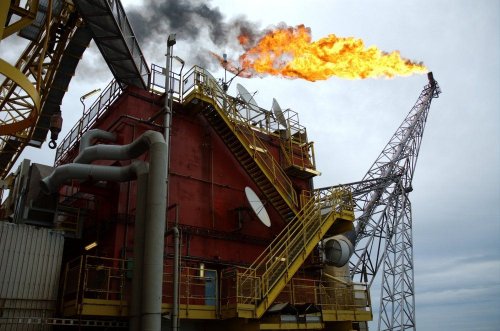
The industry harms the environment and, consequently, human health at all stages: extraction of oil raw materials for plastic, direct production, transportation, processing, and disposal. These processes result in the release of greenhouse gases, toxic substances, and fine dust.
Calculation specifics
Scientists modeled situations as of 2040. They used 2016 levels as a baseline for production volumes and, consequently, their consequences. At that time, humanity lost a total of approximately 2.1 million years of life due to the plastic industry.
It is worth noting the specifics of the unit of measurement. Scientists call it Disability-Adjusted Life Year (DALY). One such unit is a year of healthy life lost due to death or illness.
Millions of years lost
The baseline scenario is no change. That is, humanity continues to produce, recycle, and discard the same amount of plastic. In this case, the loss of life in 2040 will be 4.5 million DALYs.
“According to estimates, more than 4 million years of healthy life lost in 2040 equates to approximately 5 hours of lost full health for every person on Earth,” noted Walter Leal from the Hamburg University of Applied Sciences.
Even in the most optimistic scenario, where production and use decline and recycling increases, humanity will still lose half a million more DALYs than in 2016 – 2.6 million.
The plastics industry is not the most harmful on the planet. It produces 4.5% of all greenhouse gas emissions, second only to agriculture and electricity generation.
According to Leal, plastic is the main source of air pollution particles. This should unite the world's efforts to solve the plastic problem.
“We have sufficient evidence to understand that urgent action is needed. Plastic production continues to grow rapidly despite existing evidence of its harm, and plastic pollution is increasing sharply worldwide,” emphasized study co-author Megan Denny in a conversation with DW.
The impressive impact on human lifespan measured in the study is far from complete. The available data did not allow scientists to assess two other significant factors of planetary poisoning-the impact of chemicals released by plastic during use, and micro- and nanoplastic particles.
Рreviously, EcoPolitic reported that analysts predict that plastic production will increase to 680 million tons per year by 2040, and 280 million tons will enter the environment annually.
Global warming is making plastic more toxic to the environment – it breaks down into harmful micro-particles faster and spreads over larger areas.