Instead of breeding fish, the farmer drained the ponds and planted them with sunflowers. Meanwhile, a regional deputy turned out to be the organizer of an illegal logging scheme. Other environmental violations included "traditional" deforestation, fraud involving nature conservation lands, and pollution of territories.
EcoPolitic has prepared a digest of crimes against the environment that became known between December 6 and 12. The material is based on data from the Office of the Prosecutor General, regional prosecutor's offices, the State Bureau of Investigation, the State Environmental Inspection, and its regional branches.
Whose land is it?
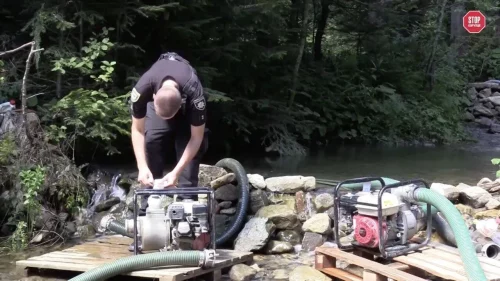
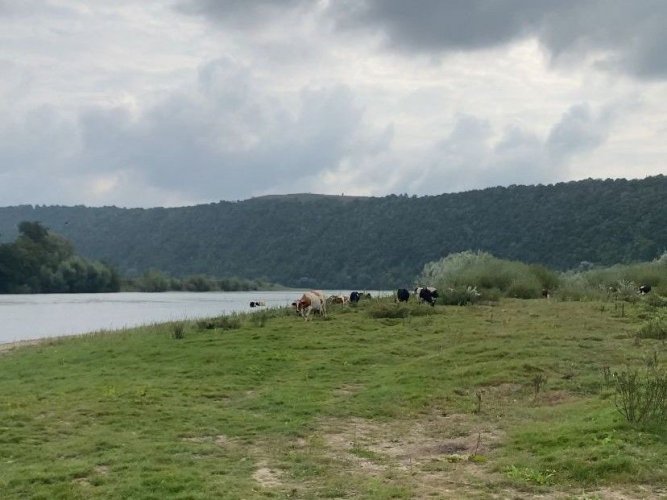
In Ternopil region, almost 18 hectares of the Dniester Canyon National Nature Park with unique natural complexes “suddenly” became agricultural land. The regional StateGeoCadastre changed the designation during inventory, and then transferred the plots to the Koropets village council. The court sided with the prosecutor's office and returned the conservation lands to the state.
A farmer drained ponds and sowed wheat and sunflowers in Mykolaiv region. In total, he used over 150 hectares of land intended for ponds and hydraulic structures for other purposes. The original lease rationale was fish farming. However, the tenant decided to drain the reservoirs, allegedly for disinfection and leveling of the bottom. This justification did not satisfy the court.
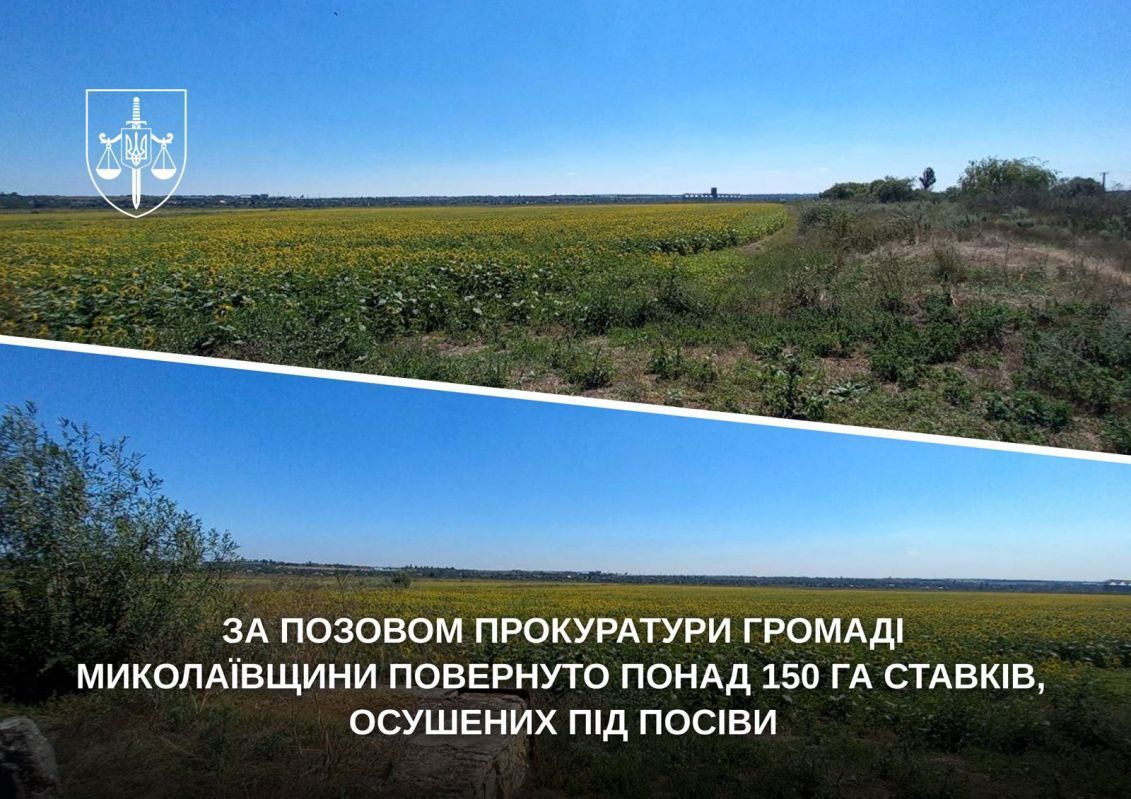
Source: Office of the Prosecutor General
Within the boundaries of Kropyvnytskyi “Dendropark”, three land plots were registered for commercial activities and residential development. Prosecutors succeeded in defending the reserve lands in court, and their registration was recognized as illegal.
The protected tract “Balka Kutsa” in Kirovohrad region finally has a chance to obtain defined boundaries and protective signs. The court obligated the Tyshkivska village council to do this because, due to its inaction, the unique natural complex with an area of 30 hectares remained unprotected.
Destruction of trees
The illegal sale of oak timber in Zakarpattia was organized by a regional council deputy. The prosecutor’s office managed to confirm that he was the “mastermind” of the scheme – from task distribution to negotiations with buyers. A co-organizer was the head of the Berehove Forest District of the “Carpathian Forest Office” branch of SE “Forests of Ukraine,” who was exposed in June 2025. Another participant was the head of a private company who handled the logistics of unaccounted oak. Damages to the state amounted to over UAH 1 million.

Source: Office of the Prosecutor General
In Chernihiv region, near the village of Tumanska Huta, almost 600 trees were illegally felled. The environmental damage exceeds UAH 2.3 million. The State Environmental Inspectorate’s report of the crime has already been submitted to the Kozelets Regional Prosecutor’s Office.
The court of first instance upheld the lawsuit filed by the prosecutor's office against one of the forestry enterprises in Chernihiv region. The reason was illegal logging that caused almost UAH 1.4 million in damages, which the foresters allowed by their inaction.
Pollution of water and soil
More than UAH 7.2 million in damage was caused to the environment by the arrangement of a landfill on the slopes of the Karagol Bay in Odesa region. Over 700 sq. m within the Nadlymanske settlement was turned into a dumping ground for household and construction waste by unidentified individuals. Regarding this case, the State Environmental Inspectorate (SEI) sent materials to the Odesa prosecutor's office.
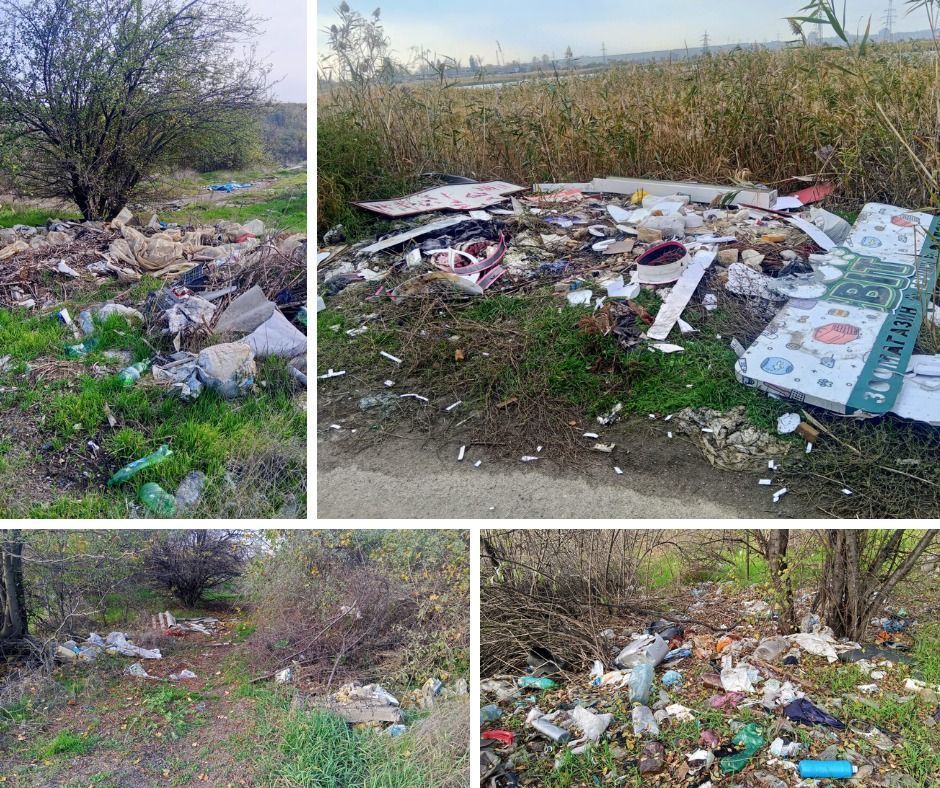
Source: State Environmental Inspectorate of the South-Western District
This week, the prosecutor's office also initiated proceedings regarding the pollution of the Ladyzhyn Reservoir with fuel oil in Vinnytsia region. EcoPolitica previously reported that Ladyzhyn Thermal Power Plant, which is part of the DTEK Group, blamed Russian shelling for the leak of oil-containing substances.
You can read the previous digest of crimes against nature at this link.