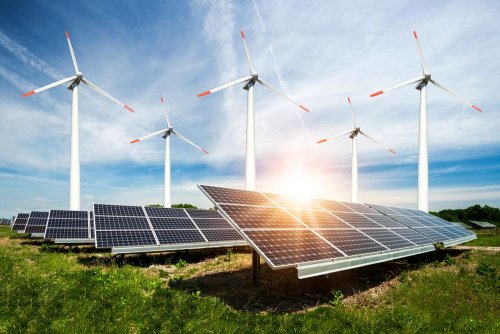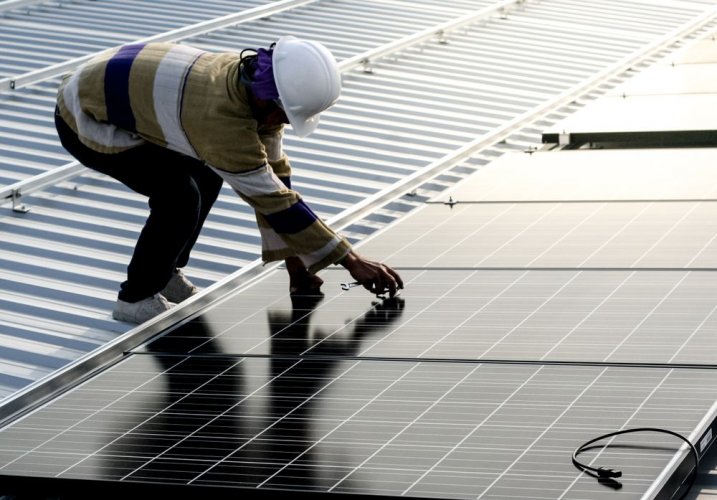
This year, Kyivstar, Vodafone Ukraine, and lifecell launched pilot projects to install solar power plants (SPPs) at their base stations.
Forbes writes about this with reference to the companies' press services.
Kyivstar has installed solar panels in Odesa and Zhytomyr regions. The company invested UAH 10 million in these pilot projects. The main criteria were remoteness from distribution networks of distribution operators and unstable radio coverage, says Volodymyr Lutchenko, Kyivstar service station manager.
The operator is also studying the market and opportunities to further supply the generated electricity to the grid.
Vodafone Ukraine has already installed three solar power plants in Poltava and Dnipro regions. These data were announced by the operator's CEO Olga Ustinova. She said that the company plans to make final conclusions about the success of the pilot in the spring of next year.
After that, Vodafone will decide whether to move further in this direction or leave these three stations as an “exceptional solution.” If the results of the pilot project are successful, the company is ready to invest UAH 40 million in a solar power project in 2025.
Lifecell is testing both solar panels and the use of an electric car as a “mobile generator.” According to DVL CTO Serhii Tereshchuk, using an electric vehicle to power base stations can reduce electricity generation costs by 70-75% compared to gasoline generators.
In Odesa region, lifecell has installed a SPP with a total panel area of 84 square meters. They generate up to 16 kW of energy to power the base station. This makes it possible to provide communication for more than 2000 people in 4 settlements of the region. Sergiy Tereshchuk adds that the accumulated solar energy also charges the autonomous batteries. Their capacity is enough for 36 hours.
To what extent is it reasonable to install a solar power plant for mobile communication needs?
Oleksandr Kharchenko, Director of the Energy Research Center, is convinced that the use of solar power plants is a solution exclusively for sunny periods of the year, as in winter they do not produce enough energy to power base stations. But the expert adds that under certain weather conditions, SPPs can extend the battery life of base stations during power outages.
According to Volodymyr Lutchenko, SPPs will not be a panacea. Most of the base stations in cities, he said, are located on the roofs of buildings, where there is limited space for installing panels. In addition, the panels require a lot of resources to place them on the site and maintain them, he says.
For now, operators want to test the real savings and see if it makes sense to expand their geography. According to Kyivstar service station, the savings are minimal so far.
Earlier, EcoPolitic reported that Ukrnafta had installed the first SPP at one of its gas stations.