A study of changes in the amount and species composition of solid household waste in Poltava and Lviv during the full-scale war showed that humanitarian hubs that host displaced persons became new generators of waste.
About 50% of the garbage of these communities is organic waste, in particular food waste, Ekoltava reports.
It is noted that the study "Waste and War" was conducted from November 2022 to June 2023 by activists from the public organizations "Ekoltava" and "Zero Waste Lviv".
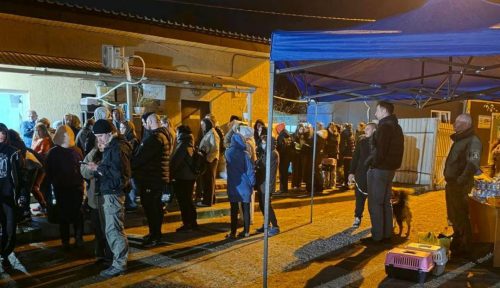
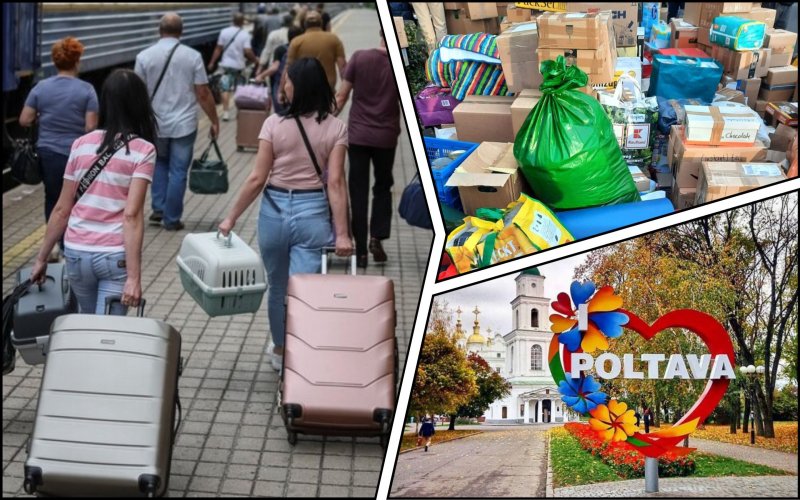
Eco-activists discovered that new waste generation facilities have appeared in the host communities – humanitarian hubs that provide humanitarian aid, food, and accommodation for IDPs. For the most part, hubs produce the following waste:
- paper;
- plastic;
- bio waste;
- mixed household waste.
The researchers found that there is a low level of waste sorting in the hubs. Thus, out of 13 such institutions where the survey was conducted, waste is sorted in only 9. In addition, only 6 hubs reuse packaging.
It is noted that there is a need to create a management system for organic waste, in particular food waste. The morphology of solid household waste in both host cities is as follows:
- food waste 50–58%;
- polymers — 15–29%;
- glass — 5.5–6%.
"The problem of disposal of hazardous types of waste, including expired drugs, has been identified. Hubs don't know what to do with this type of waste," the activists said.
They added that the study confirmed that in an emergency situation, the cheapest and most accessible materials, namely single-use plastic, are used for primary needs (food, household organization).
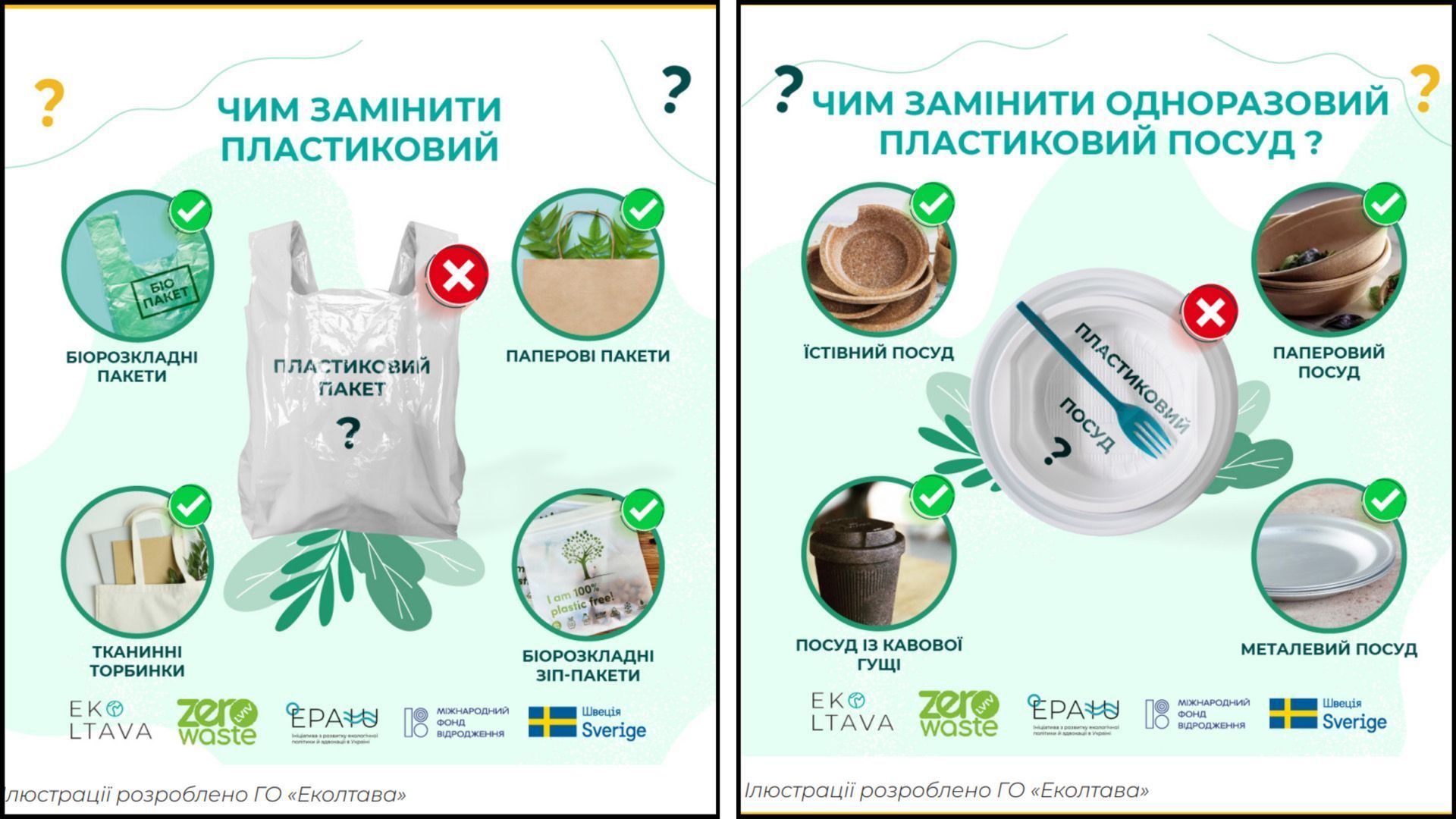
To reduce the mentioned burden, ecoactivists recommended the following measures be taken in the host communities:
- regular morphological studies of solid waste for effective waste management in the community;
- develop programs to minimize the use of single-use plastic products and replace them with more environmentally friendly alternatives;
- to develop ecological culture in the field of waste management;
- monitor legislative changes in the field of waste management;
- develop a set of measures to inform humanitarian hubs about ways to dispose of hazardous waste, including expired drugs;
- promote the establishment of partnerships between humanitarian hubs and waste disposal and sorting enterprises;
- conduct an information campaign for citizens and humanitarian hubs on waste sorting and management;
- provide humanitarian hubs with ecological tableware or reusable containers.
Earlier, EcoPolitic wrote, that in Lviv, the public organization Zero Waste Lviv continued its work in war conditions to reduce the amount of single-use plastic, minimize waste, popularize reusable items, sorting, composting, recycling, etc.
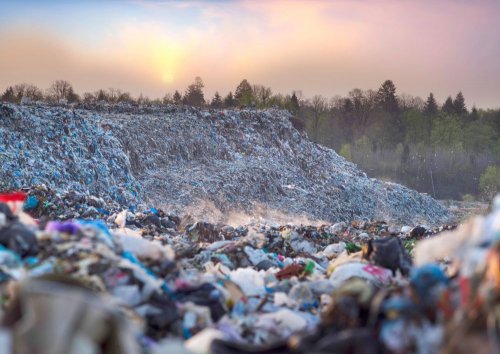
As EcoPolitic previously reported, Poltava eco-activists called on communal ATP No. 1628 to create conditions for composting organic waste, in order to avoid a repeat of the tragedy at the Hrybovytskyi landfill.