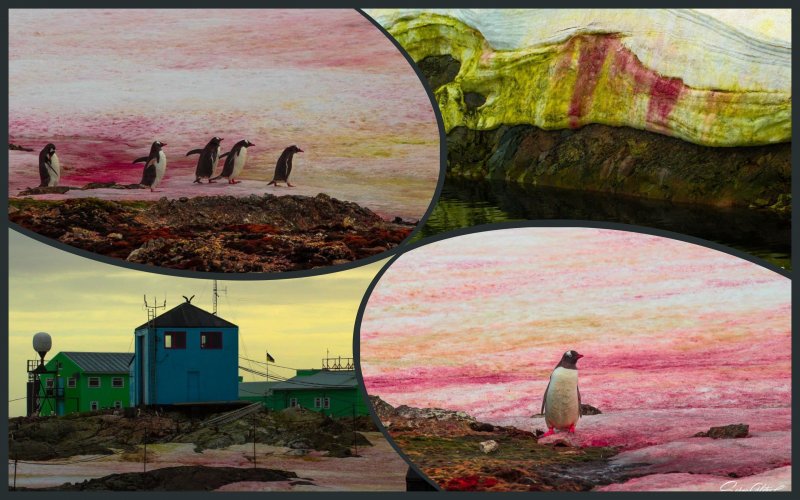
The snow changed its color from white to pink in Antarctica. Photo

The snow changed its color from white to pink in Antarctica. Photo facebook.com/AntarcticCenter
Katerina Belousova

The same type of algae can color snow in green, orange and purple colors

In Antarctica, near the Ukrainian station "Akademik Vernadskyi", the snow has turned pink due to the "blooming", i.e. mass reproduction, of single-celled green algae.

Such flowering accelerates climate change, because the color of the snow reflects less sunlight and melts faster, the National Antarctic Science Center reports on Facebook.facebook.com/AntarcticCenter
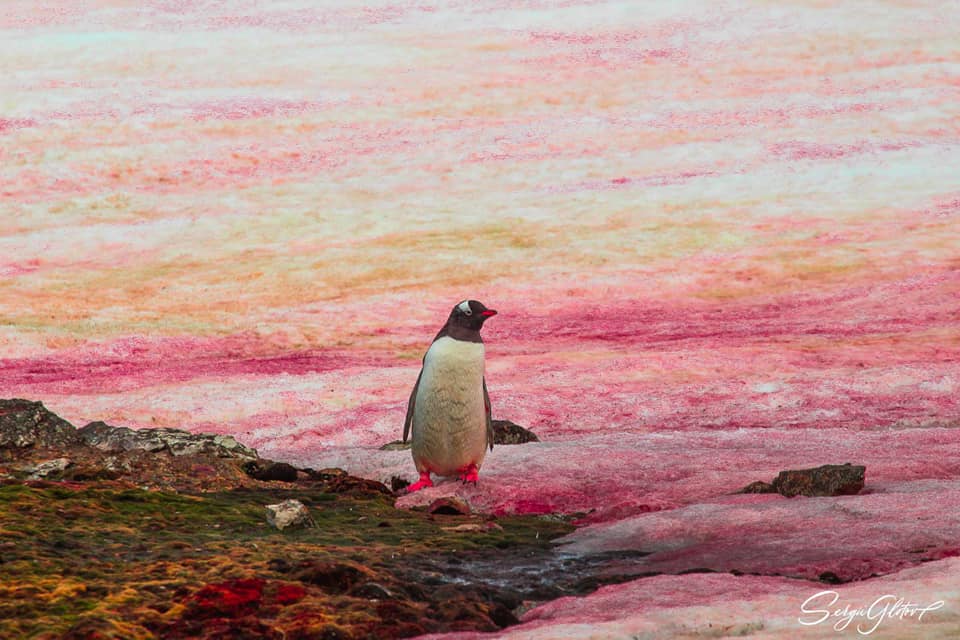
"This is not photoshop, but the colors of Antarctica." Pink patterns on a white cover – this is how the snow "blooms" at the end of the Antarctic summer in the area of our station "Akademik Vernadskyi," emphasized in the message.

The scientists explained that the same type of algae can color the snow in green, orange and purple. The color of plants depends on the pigment.facebook.com/AntarcticCenter
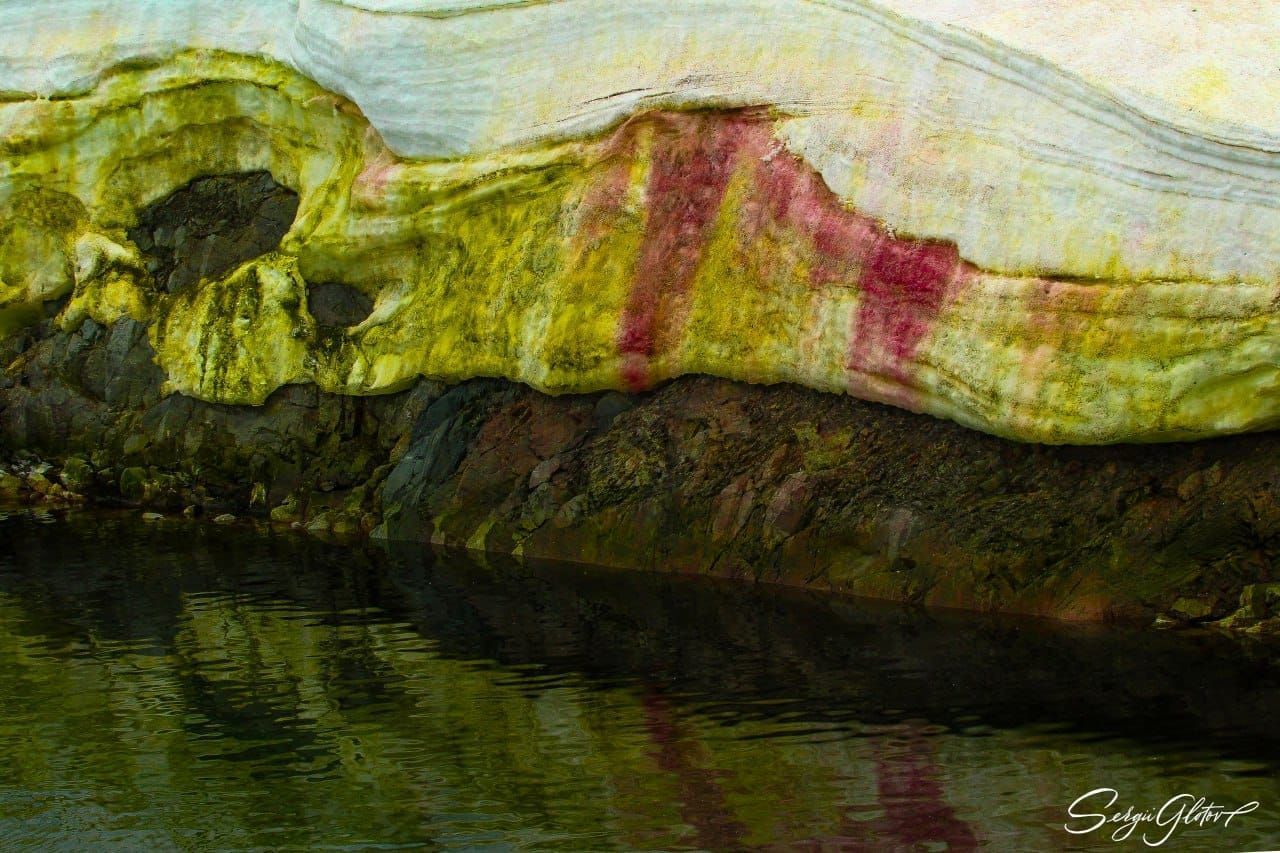
The authors emphasized that algae with the green pigment chlorophyll "winter". At the end of the Antarctic summer, when the intensity of ultraviolet rays becomes higher, the plant protects itself from them with the red pigment carotenoid. The same pigment gives orange color to carrots.

Currently, scientists are collecting and fixing samples of colored snow in order to analyze them on the "big earth" and to better understand the chemical basis of the transformation of algae.

As EcoPolitic reported before, in 2021, in the area of the Antarctic station "Akademik Vernadsky", the snow changed its color from white to green and crimson due to the "blooming" of algae.
Related
Europe’s seas have been hit by record-breaking heatwaves, whilst the Arctic continues to melt — Copernicus

Every ten years, the ice cover shrinks by almost half a million square kilometres

The situation will not improve in October: low water levels on the Dniester pose a threat to Ukraine and Moldova

Last month, the inflow was recorded at just 11% of the normal level

From tomatoes to meat: which foods have become more expensive this year due to global warming

By 2035, climate-related inflation will increase food prices by approximately 3.2% annually

Rising sea levels threaten to submerge cities and UNESCO cultural sites

Around 770 million people are already in the high-risk zone