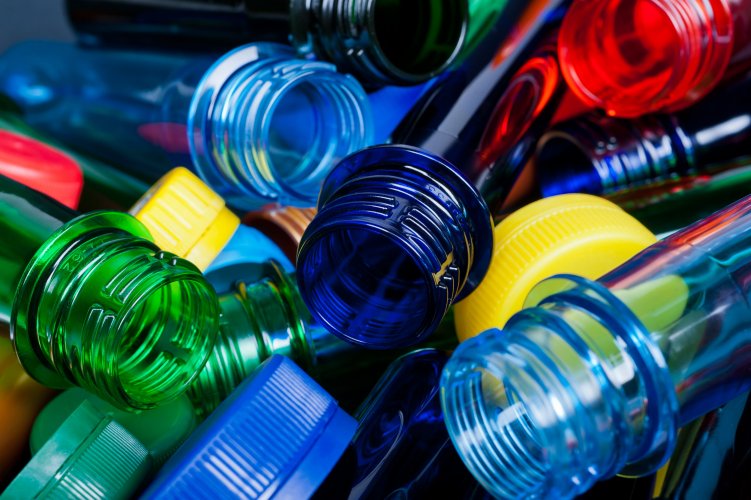
In Bucha, in the Kyiv region, citizens were urged to squeeze plastic bottles as tightly as possible in order to save space in collection containers and fuel for special vehicles.
It will also make it impossible to improperly reuse such bottles, for example, for raw milk at natural markets, reports the specialized ecological enterprise for the collection, procurement and processing of solid household waste "Rada" on Facebook.
The message explained that currently, due to the war, high fuel prices and a decrease in the number of employees, the company is trying to use resources as economically as possible. It will also help reduce your carbon footprint.
Why you need to compress PET when sorting:
- the weight of the collected raw materials increases, and the special machine does not transport air, which reduces emissions;
- sometimes sellers at spontaneous markets buy used bottles for raw milk;
"Never reuse a PET bottle – it is an excellent "incubator" for bacteria," explained the message.
- an unsealed bottle, which, moreover, is closed with a lid, when it gets to recycling, is difficult to press, which increases the consumption of electricity.
Earlier, EcoPolitic wrote, that in Kyiv, Yapomogabox, which feeds homeless animals in exchange for plastic bottles, will now send 10 kopecks from each collected bottle to help the Armed Forces and the same amount for the United24 program.
As EcoPolitic previously reported, in Lviv in Zamarstynivsky Park installed a sorting ship, which will help to collect 6 types of waste separately.