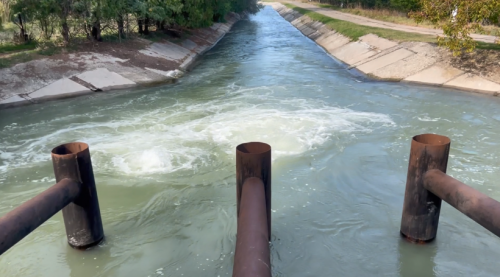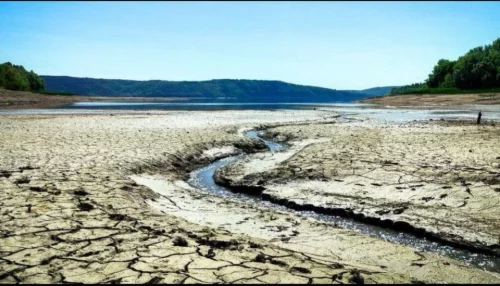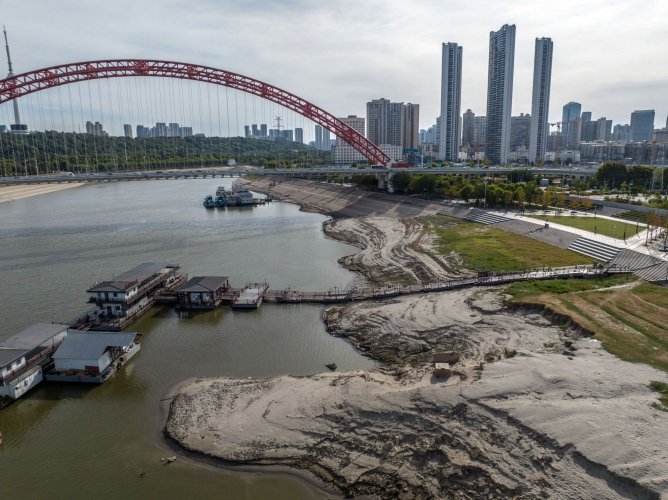
In China, the level of the longest river in Asia, the Yangtze, reached its lowest level, for this time of year since the beginning of accounting in 1865, which can negatively affect the economy.
Falling water levels have disrupted power generation at many key hydroelectric power stations, causing energy chaos in some parts of the country, reports Bloomberg.
The river in China is about 6,300 km and feeds farms that provide a large part of the country's food and huge hydroelectric plants.
The material noted that major cities, including Shanghai, are reducing their electricity use. Tesla Nts. warned of supply chain disruptions for its Shanghai plant, and companies such as Toyota Motor Corp. and Contemporary Amperex Technology Co., the world's leading manufacturer of batteries for electric vehicles, closed factories.
BloombergNEF emphasized that climate change is likely to lead to more frequent and persistent heat waves and droughts. The current outages therefore raise long-term questions about China's reliance on hydropower, the country's largest source of clean energy, which accounted for about 18% of electricity production in 2020.
This is exacerbating the challenges of reviving an economy already hit by frequent Covid lockdowns and a property crisis.
While dam production in the Sichuan region has halved, the sweltering heat has caused electricity demand to rise by about a quarter.
According to BloombergNEF analyst Hanyang Wei, Sichuan's power shortage shows that hydropower, generally considered the most stable renewable source, is still not as reliable as coal.
The current situation is expected to be less painful than in 2021, as the harshest measures have been largely confined to Sichuan, which accounts for only 5% of the country's GDP.
However, this may pose a threat to the economy. Economists have already downgraded the country's growth forecast for this year to less than 4%, well below the government's target of 5.5%.
In Wuhan this summer, the temperature regularly exceeded 40 degrees Celsius.
"In the long term, China and the rest of the world face increasing challenges due to unstable weather conditions," the report said.
High temperatures caused rivers to dry up in Europe and rivers to shrink in India areas of rice crops by 13%, which threatens the global food supply.
As EcoPolitic before, Europe suffers from the strongest drought in the last half-millennium. The water level in the rivers has dropped so much that the so-called hunger stones have come to the surface, which predict a bad harvest and famine, and the operation of river transport in certain areas becomes impossible.