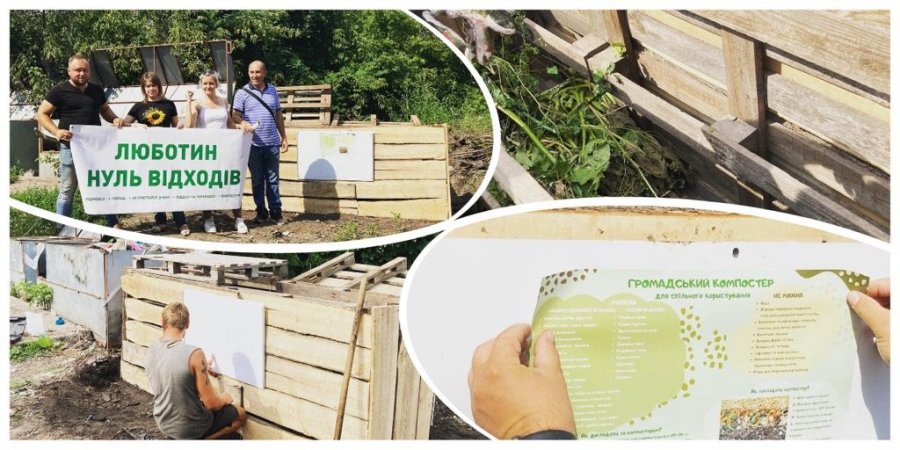
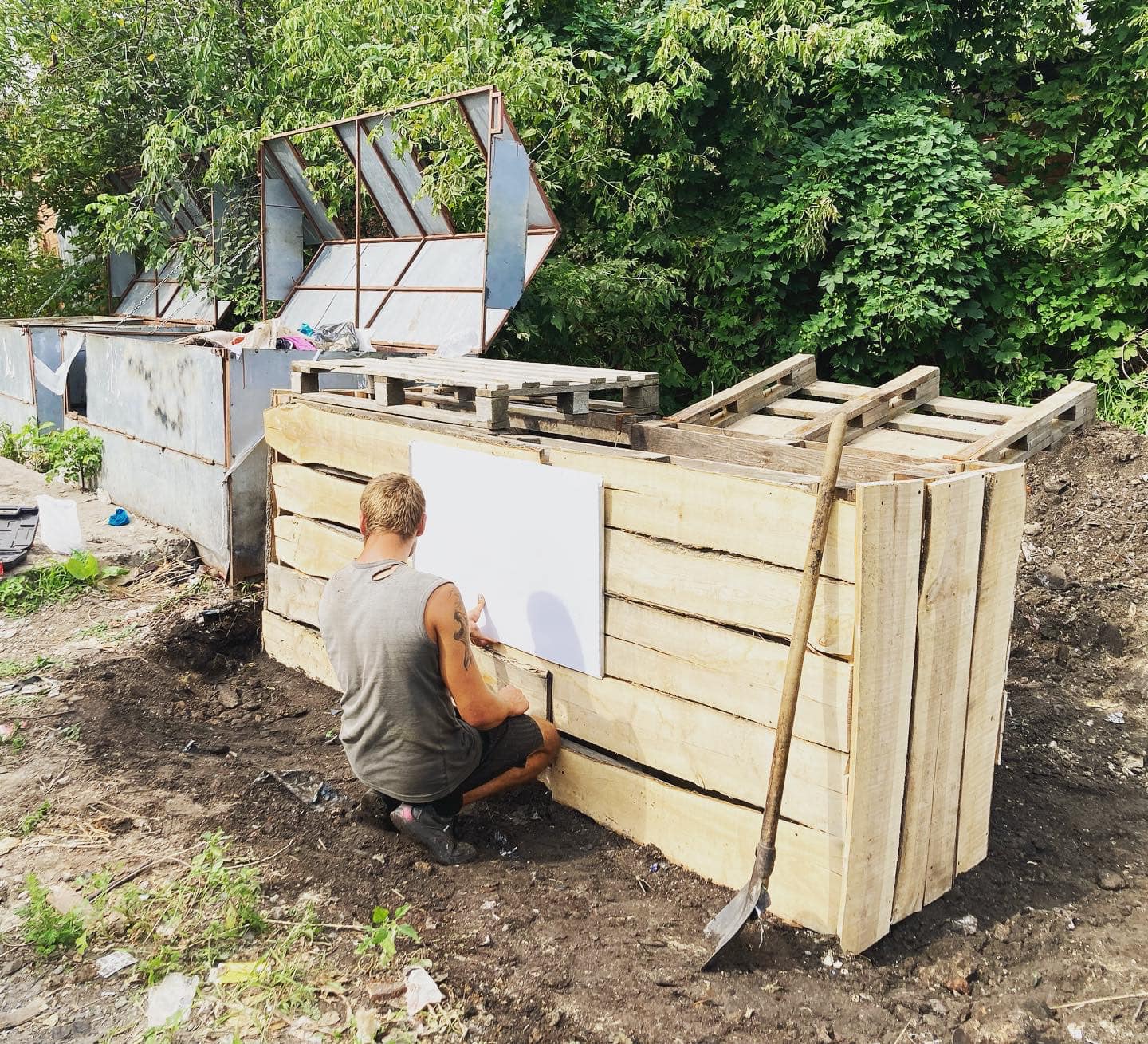
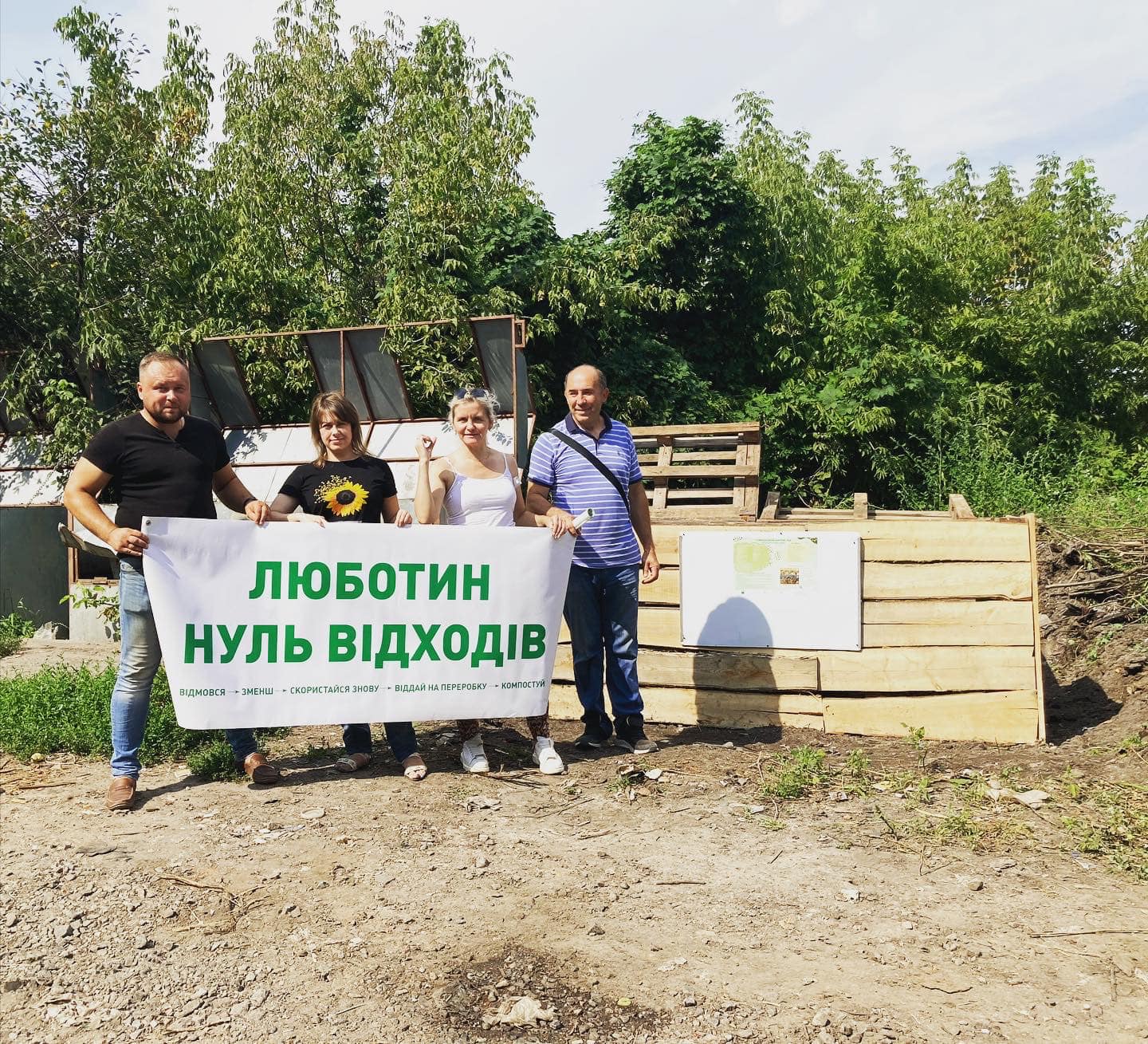
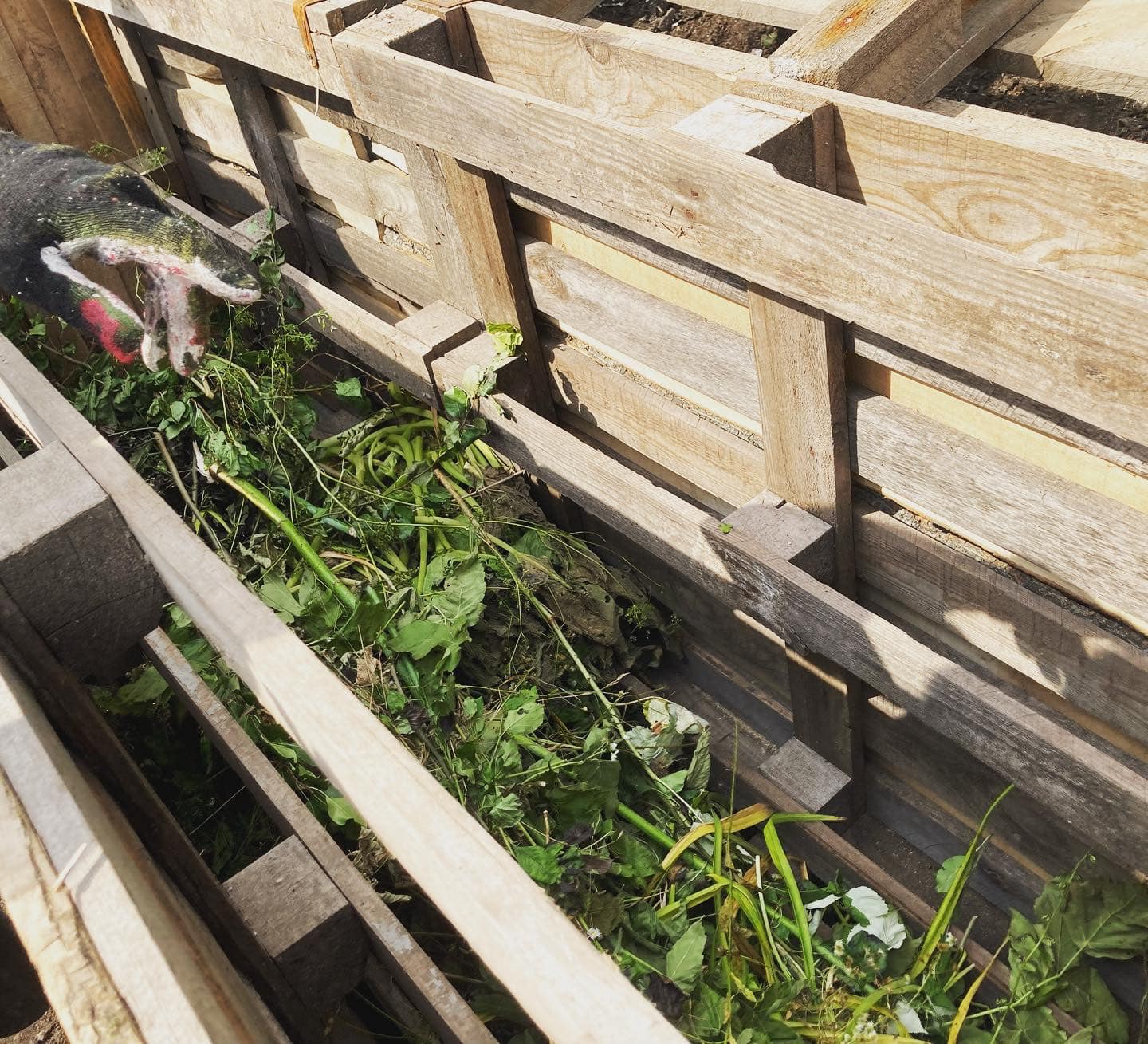
In the Kharkiv region, in the city of Lubotyn, a public composter has started working in the area of garages on Barabashka.
Ten such composters are planned to be installed in the city, the Kharkiv Zero Waste ecohub reports on Facebook.
The local authorities also plan to organize a separate collection of waste, which will at least halve the amount of garbage that is buried.
"The city is approaching zero waste standards and is developing even under the conditions of war," the report said.
Lyubotyn city council explained that this project is especially relevant during the war, because:
- organic waste that enters landfills and landfills produces methane gas when it rots, which causes landfill fires;
There have already been cases of shells hitting landfills.
- organic waste constitutes at least 50% of the total composition of the community's waste;
Composting slows down the filling of the bin, so utilities need to make fewer hauls, saving fuel and reducing risks for workers who often work under fire.
- composting prevents the appearance of waste, which is foreseen by the new law and brings us closer to life and EU standards.
The article emphasized that Lyubotyn became the second city of Ukraine, after Lviv, to sign the Commitment to reduce the amount of solid waste in the community, and in the future to undergo certification and obtain the status of a Zero Waste City.
Earlier, EcoPolitic wrote, that in Lviv during June, the residents of the city passed for processing 368,790 kg of organic matter, namely food and garden waste.
As EcoPolitic previously reported, Ukrainians were told about organic sorting rules with the help of which food and other organic waste will get a second life in the form of compost.