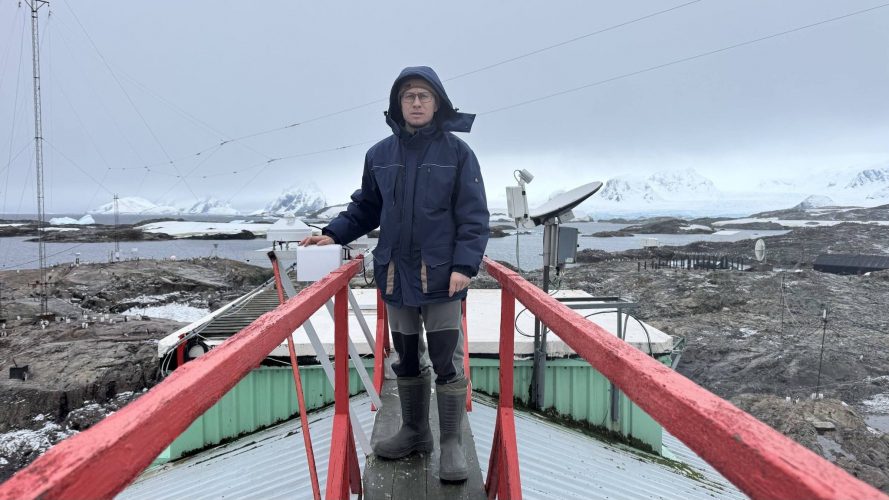
Antarctic air is considered the cleanest on the planet, but studying its composition can provide additional information about the transport of pollutants on Earth. To this end, an additional instrument for measuring these parameters has been installed at the Ukrainian polar station "Vernadsky," and the first such sensor has been installed on the icebreaker "Noosphere."
This was reported by the National Antarctic Center.
The evolution of antarctic monitoring
The first air quality analyzer in Antarctica from the international IQAir network was installed at "Vernadsky" back in 2024. The function of this equipment is to measure the concentration of solid particles of various diameters present in the air.
However, scientific research requires accuracy and self-verification. That is why IQAir provided the Ukrainian station with another such device this year. This double-check will help avoid technical errors and inaccuracies.
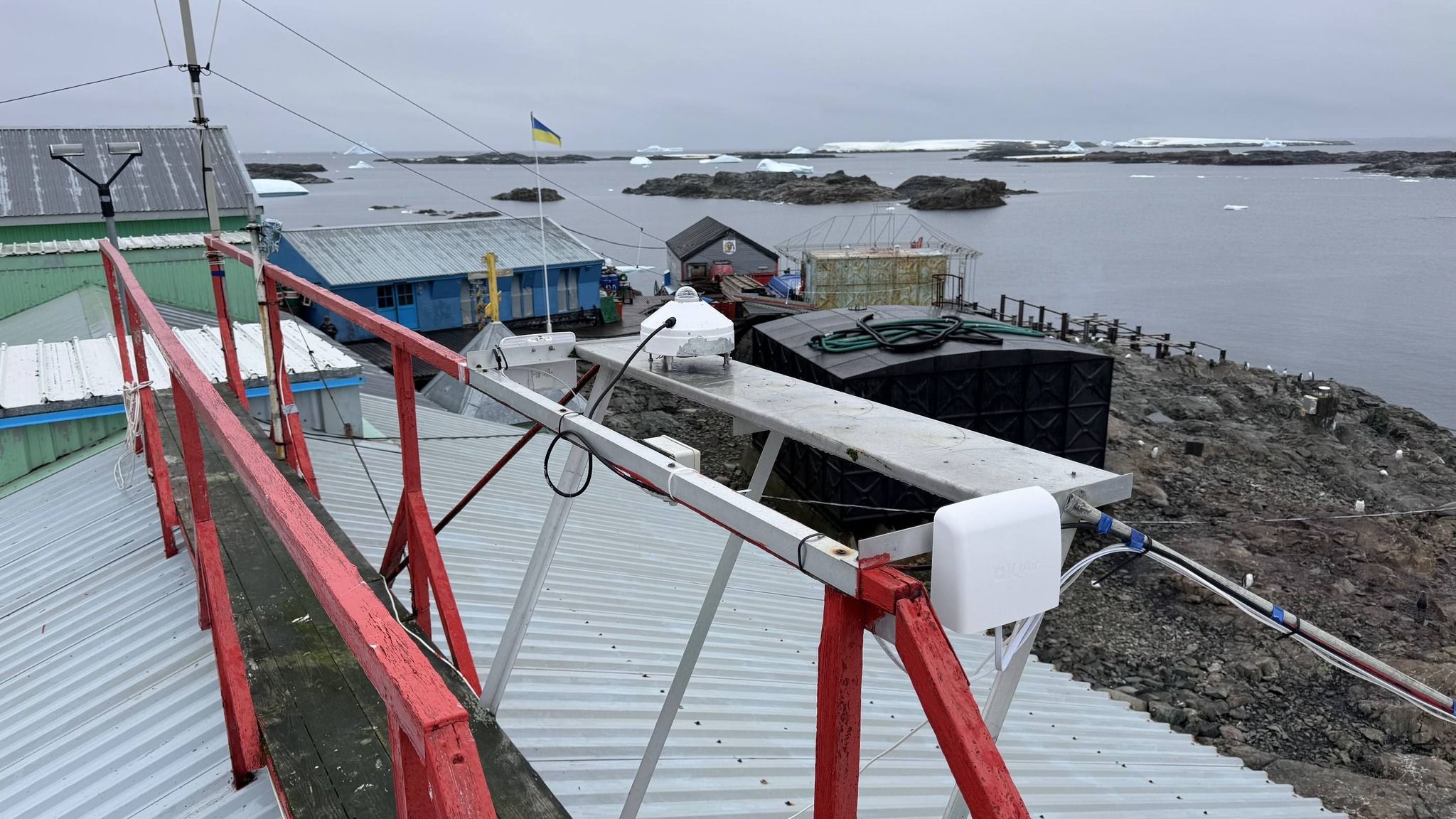
Source: National Antarctic Center
How clean is the air in antarctica
Usually, the air quality at the "Vernadsky" station is almost perfect – the pollution level is close to zero.
Local pollution spikes can be influenced by factors such as:
- natural – volcanic eruptions, sea storms;
- anthropogenic;
- climatic – wind presence and humidity.
An air quality analyzer was also installed on the icebreaker "Noosphere", and additionally, an AirGradient device, which detects PM2.5 fine particulate matter in the air, and measures temperature, humidity, as well as CO2, NOx, and VOC content.
"These devices measure aerosols in the ocean – where there are the fewest permanent monitoring stations. Accordingly, we lack sufficient data to build global aerosol pollution models, which affect the climate and weather. Therefore, measuring aerosols on board a vessel that travels the oceans is important for supplementing this data," emphasized the head of research, Hennadii Milinevskyi.
EcoPolitic previously reported that the first glacial "reserve" was created in Antarctica. It will store ice cores from Alpine glaciers, which are rapidly melting due to Europe’s changing climate.