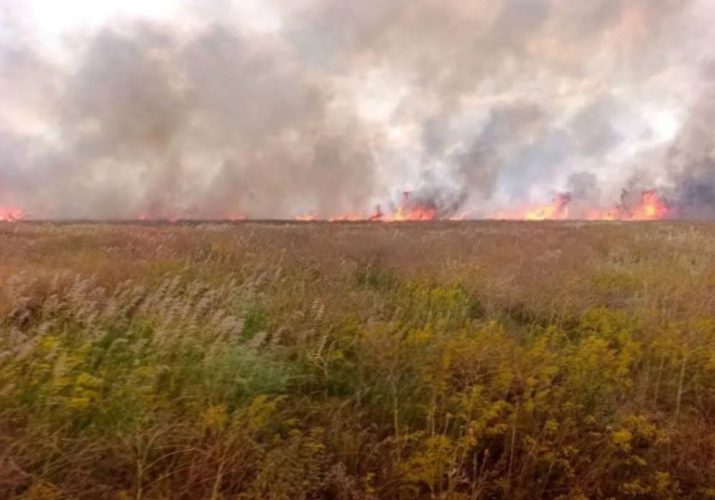
An analysis of satellite imagery has revealed large-scale fires within the ‘Askania-Nova’ Biosphere Reserve in the temporarily occupied part of the Kherson region. Preliminary estimates suggest the fire has engulfed thousands of hectares of a unique steppe ecosystem. The occupying authorities blame the crash of a downed drone, although they themselves are using this valuable land for administrative and military purposes.
This was reported on the reserve’s Facebook page.
As of 29 June, the area of burnt land in the “Pivdennyi” section of the reserve had already exceeded 1,900 hectares. The burnt steppes were identified using Sentinel-2 satellite imagery. The fire completely destroyed 13 sections of “Askania-Nova” and damaged a further 15.
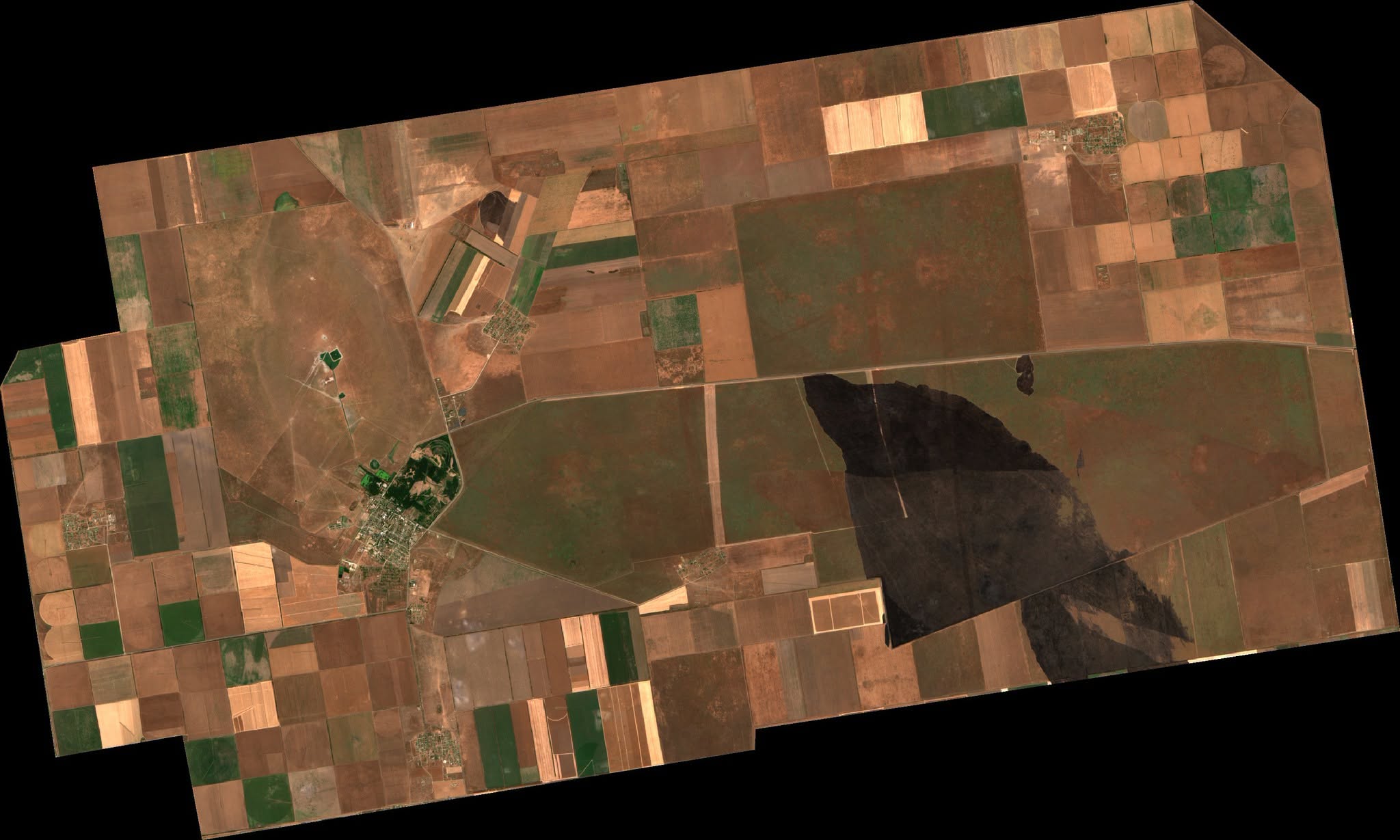
Source: Askania-Nova Biosphere Reserve
By the evening of July 1, it became known that five new fires had occurred within the reserve.
Environmental Damage
According to the reserve's social media page, the fires affected virgin steppe biotopes hosting communities of rare plant species listed in the Red Data Book of Ukraine. This includes fescue species such as Ukrainian, Hairy, and Lessing's feather grass.
In addition to feather grass, the fire destroyed areas where Taliev's cornflower, Regel's onion, and Hennig's milkvetch grow.
Cynical Cover for Military Activity
The occupying administration is shifting all responsibility for the fires onto "enemy drone attacks" and accuses Ukraine of attempting to destroy "peaceful" infrastructure.
However, the reserve's administration deems these statements blasphemous, adding that, as recently as early June, the hostile authorities of Kherson region published a diagram on their website showing a detour around the "Dzhankoy" administrative-pass checkpoint through the Askania-Nova reserve zone.
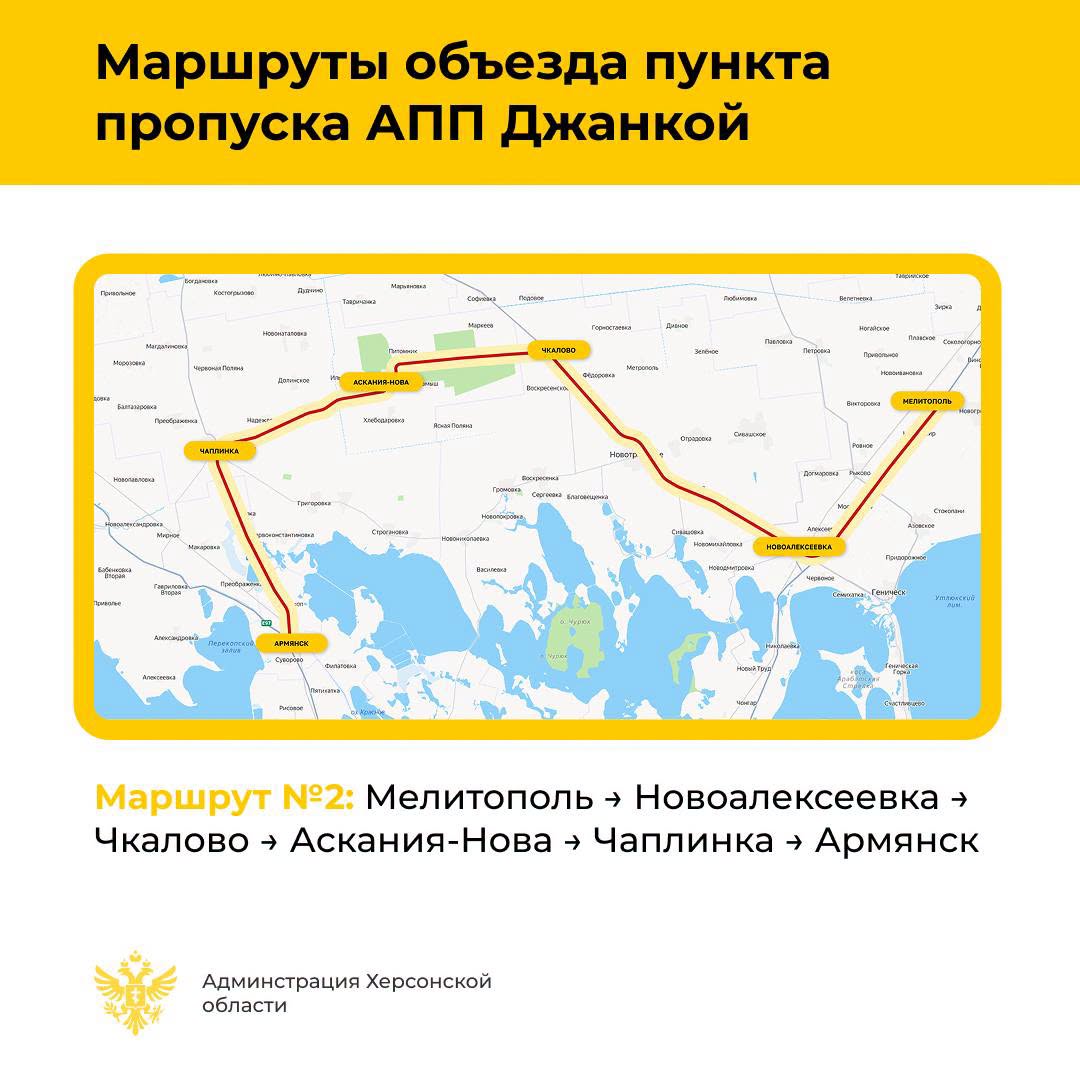
Source: Askania-Nova Biosphere Reserve
"All this is a consequence of the deployment of military equipment and personnel of the occupation forces directly on the territory and under the 'cover' of the reserve. As painful as it may be for Askania, the problem is not the drones but the occupation," the reserve’s page emphasized.
Additionally, forests are burning in the Chernobyl Exclusion Zone. These fires are linked to the consequences of drone crashes and munitions detonations, exacerbated by dry and hot weather.