At the UN, during the week of August 22-27, governments negotiated a new Global Ocean Treaty, which will decide the future of the Earth's oceans.
The results of the meeting will determine the fate of the oceans for centuries to come, reports Greenpeace.
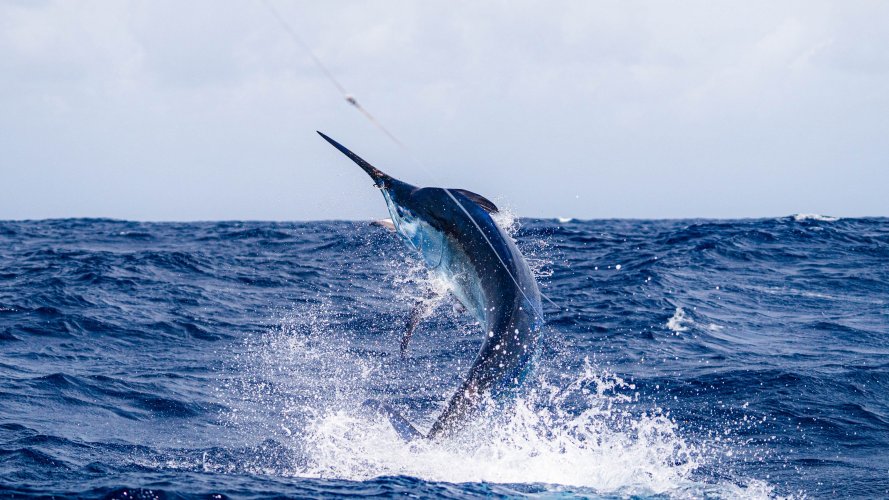
The oceans, which support billions of living creatures, are in crisis due to industrial fishing, deep-sea mining and other threats.
"Thankfully, more than 100 governments have joined scientists in supporting the solution; protecting at least 30% of the oceans by 2030, the 30×30 target, to give them space to recover," the article said.
However, this is not possible without a strong new Treaty.
The message explained that governments cannot protect the high seas and waters outside national jurisdiction. However, the Treaty can solve this problem by allowing the creation of huge ocean reserves that will be protected from destructive human activities.
Although the need for such action is urgent, governments first discussed a new Treaty almost 20 years ago. During this time, the ocean crisis has deepened – countless species and habitats have been destroyed or lost.
A strong Treaty will provide hope for the future of the oceans and the billions of people who depend on them. And a weak Treaty or any further delay will make 30×30 practically impossible.
“Over 5 million people have joined us to call for action to protect the oceans and deliver a strong Treaty. Now it’s up to delegates to protect the oceans. Time truly is running out. The world is watching. The future is watching," Greenpeace noted.
Earlier, EcoPolitic wrote, that scientists discovered a new type of coastal pollution, consisting mainly of oil and plastic, which has been proposed to be called plastitar.
As EcoPolitic previously reported, a study published in the journal Science showed that limiting the temperature rise to 2°C will reduce the risk of mass extinction marine biota by more than 70%.