For decades, China has been implementing large-scale projects to restore forests and grasslands. However, the fight against desertification, global warming, and land degradation has had an unexpected consequence. As scientists have recently discovered, it is plants that have led to a global redistribution of fresh water in the country.
This was reported by Live Science.
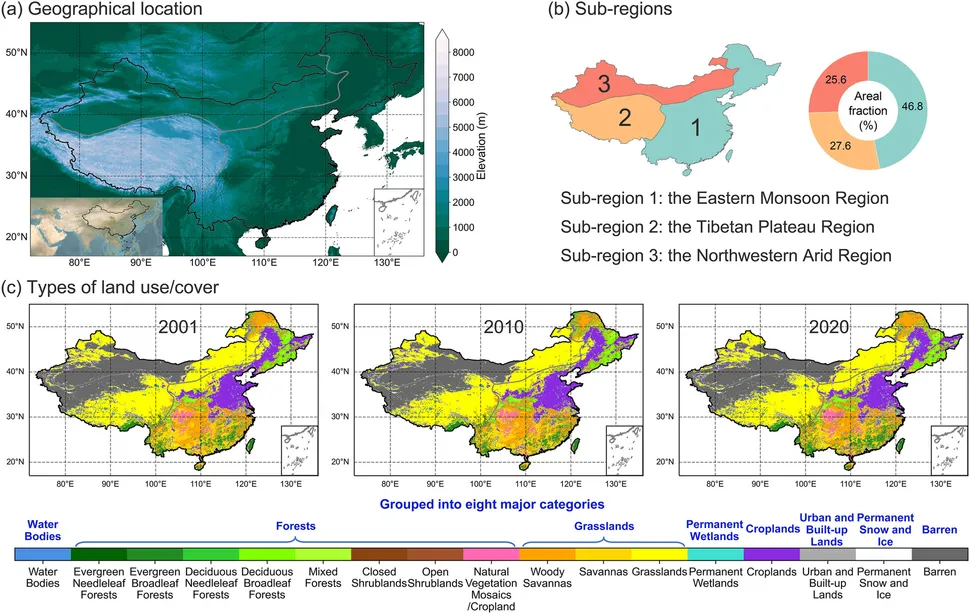
Fresh water has become less available in the arid northwestern region and in the eastern monsoon region. These areas account for approximately 74% of China's total land area. In contrast, there is now more fresh water in the Tibetan Plateau.
“We found that changes in soil and vegetation cover are redistributing water. Over the past few decades, China has carried out a large-scale greening program. This has also helped restore the natural water cycle,” said study co-author Ari Staal, Associate Professor of Ecosystem Resilience at Utrecht University.
Source: livescience.com
The cycle is formed by the processes of evaporation and transpiration of water and its condensation in the form of precipitation. Transpiration is the process of removing water from plants, which in turn have absorbed it from the soil and groundwater.
This means that the more vegetation there is, the more water goes into the air. After all, evaporation from the soil alone cannot reach the moisture hidden underground, and plants transport it to surfaces accessible to the sun.
Planetary-scale greening
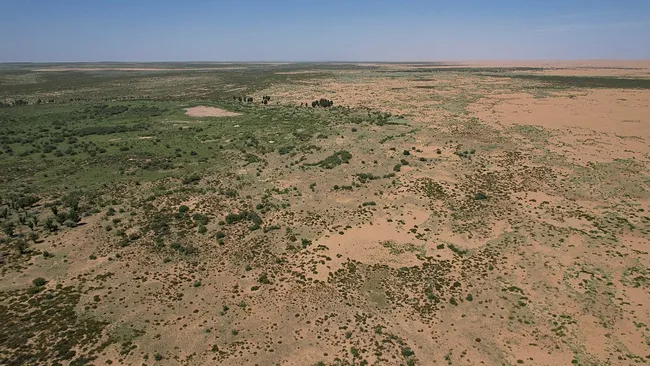
Back in 1978, China launched the Great Green Wall program. In the arid north, a strip of trees was planted to curb the expansion of deserts. Thanks to the implementation of the project, since 1949, the area of forests in China has increased from 10% to 25% of the territory. The new forest areas are comparable to the area of the whole of Algeria.
The PRC also encourages farmers to convert agricultural land into forests and meadows. To this end, the country launched the "Grain for Green" program in 1999.
At the same time, China has a program to protect natural forests. It also contributes to the increase in the area of new forests and prohibits the felling of trees in primeval forests.
As previously reported by EcoPolitic, China is the world leader in the implementation of renewable energy sources. The country accounted for 70% of the increase in “green” generation during the first half of 2025.
At the same time, the People’s Republic of China is responsible for almost 30% of global carbon emissions, but its leader decided not to attend the COP30 climate conference.