Fire disaster in Odessa region: fire destroyed 645 hectares in the Danube Reserve

Fire disaster in Odessa region: fire destroyed 645 hectares in the Danube Reserve shutterstock

Maria Semenova

Damage to the environment caused by air pollution alone amounted to approximately UAH 5 billion

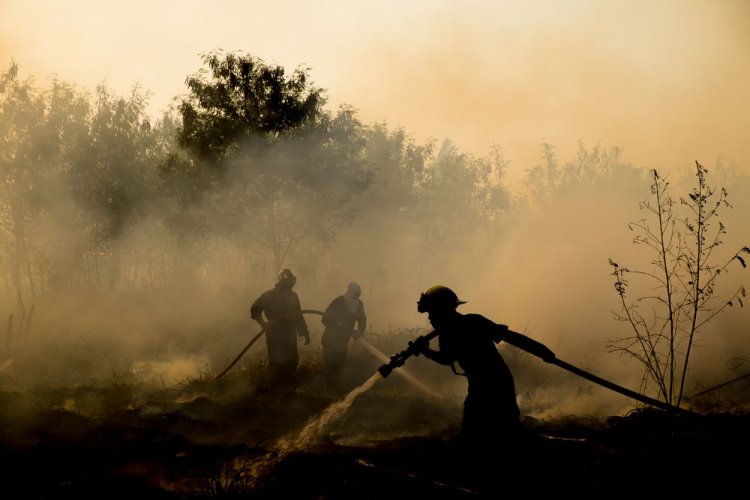
On January 3–4, a large-scale fire raged in the Stentsivsko-Zhebriyanivski floodplains. As a result of the fire, 645 hectares of territory were destroyed in this part of the Danube Biosphere Reserve.

According to the State Environmental Inspection of the South-Western District, the damage to the atmosphere amounts to almost UAH 5 billion.

A massive blow to the environment

The fire destroyed the reeds and vegetation of the protected floodplains. This damaged the natural ecosystem, which will have a negative impact on the local fauna.

The fire also caused huge emissions of pollutants into the air. We're talking about almost 466,000 tons, of which almost 460,000 tons is carbon dioxide (CO2).

The materials and calculations from the environmental inspection have already been handed over to law enforcement. They must provide a legal assessment of the disaster and determine its causes.

The SEI reminds that burning reeds and dry vegetation is a violation of environmental legislation and entails legal liability.

EcoPolitic previously reported that large-scale fires have become one of the most significant environmental disasters in Ukraine. During 2025, 5,500 ha of forests burned in the country, as well as steppe, riverbanks, and peatlands.
Related
Digest of environmental crimes: record losses due to deforestation and mineral theft

The most costly crime uncovered this week was the illegal extraction of sand, amounting to nearly 750 million hryvnias

Sewage from Bolhrad has been polluting rural areas for years. There are still no treatment facilities.

Sewage trucks discharge wastewater directly into the ground without any treatment

Discussion of the "blind" TV broadcast: what (wasn't) shown to stakeholders

The business community and environmental groups are still waiting for the bill to be made public

Deep beneath the seabed: Norway is storing carbon in a unique way

Liquefied gas under water pressure is permanently removed from the natural cycle