The study "Opinions and views of the population of Ukraine regarding the ecological consequences of the war" showed that almost 40% of Ukrainians consider the demining of agricultural lands to be the most critical problems.
Among the biggest problems, respondents also most often mentioned radiation contamination and water pollution, the Ministry of Environmental Protection and Natural Resources reports on Facebook.
It is noted that the research was conducted by specialists of the Kyiv International Institute of Sociology in January 2023.
The study showed that the TOP-5 environmental consequences of the war, which are the most critical for the country, included:
- mining of agricultural lands and forests – 39.9%;
- radiation contamination in the case of Russian missile attacks and explosions at nuclear power plants – 36.3%;
- pollution of rivers, ponds and seas due to sinking of ships, spread of oil products and explosives – 23.9%;
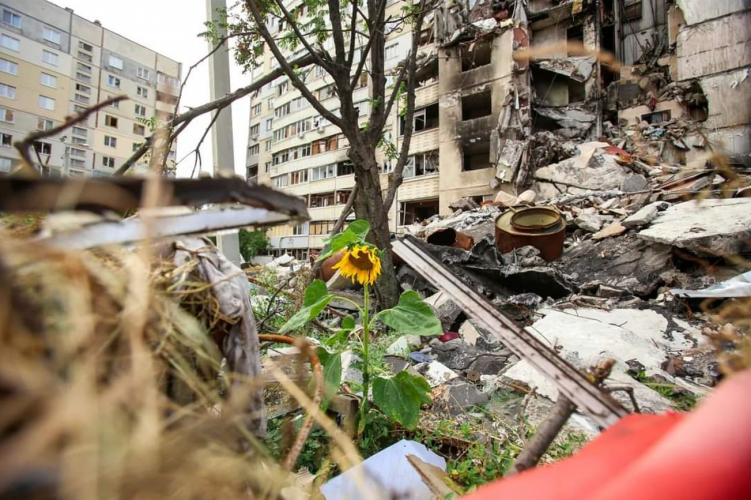
- littering of territories with war waste (debris of destroyed buildings, broken cars, remains of household items and equipment, etc.) – 23.2%;
- spread of dangerous poisonous substances due to shelling and fires at oil depots, gas storage facilities and chemical industry facilities – 21.2%.
It is noted that 13.8% of surveyed Ukrainians consider all 5 environmental consequences to be critical.
"The war has a terrible impact on the state of the Ukrainian environment. Using the example of already liberated territories, we can see that the cruelty and indifference of the occupiers leads to the destruction of entire ecosystems. Unfortunately, we will have to overcome the consequences of the war for many more years," the message emphasized.
Earlier, EcoPolitic wrote, that the head of the Office of the President of Ukraine Andriy Yermak discussed Russia's responsibility for environmental crimes in Ukraine with the executive director of the United Nations Environment Program (UNEP) Inger Andersen.
As EcoPolitic previously reported, a preliminary assessment of the impact of the war in Ukraine on the ecological situation showed that the war is literally toxic, and future generations will live "with a toxic legacy."