

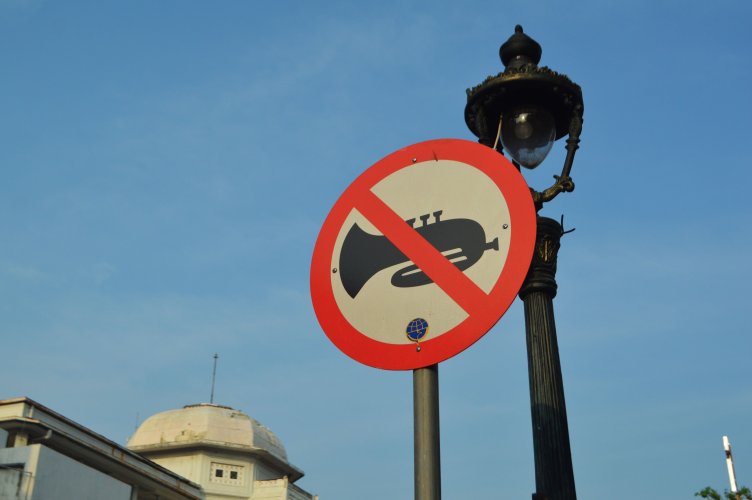
Noise is not just annoying sounds that sometimes prevent us from sleeping or concentrating. Prolonged acoustic exposure can cause anxiety, depression, and even damage the heart. In the European Union, 12,000 people die every year because of it.
EcoPolitic investigated the dangers of noise pollution and whether it is possible to limit its impact.
When noise levels become dangerous
The human body can easily tolerate noise levels of 30-80 dB. However, if the intensity exceeds 85 dB, prolonged exposure can affect health and performance. This level is already considered dangerous.
There are several sources of noise of this intensity:
- Transport: high-traffic roads, railways, airports.
- Industry: sounds from technological equipment and production processes.
- Construction: operation of heavy machinery and tools.
Impact on the body
According to the World Health Organization (WHO), in the European Union, over 110 million people-that is, one in every five residents-are exposed to high road noise levels. Because of this, 22 million Europeans suffer from chronic irritability. Schoolchildren perform worse academically due to airport noise, over half a million have reading difficulties, and adults struggle to focus at work.
Overall, noise is capable of affecting the cardiovascular, respiratory, and nervous systems. A constant trigger causes stress and anxiety. Even when people are asleep, they subconsciously perceive noise stimuli, thus affecting sleep quality. Moreover, noise impairs hearing function and weakens the ability to engage in effective conversation.
The effects of noise are not felt immediately-the impact accumulates over time, making negative consequences for health and cognitive function inevitable.
The impact of noise on animals
Animals are often more sensitive to sounds than humans. Continuous noise prevents them from hearing natural signals-such as cries of their offspring, mating calls, or the footsteps of prey in the forest. This affects their ability to successfully rear young, find food, or escape predators. For example, owls cannot hear their prey even at a noise level of 61 dB.
Not only terrestrial creatures suffer from noise. Excessive sound intensity causes vibrations that compact the soil. This, in turn, damages the habitat of underground animals and also hinders plant root growth.
Marine life also suffers from noise-they use sound to navigate, hunt, or find a potential mate. Noise overloads their environment, sometimes prompting animals to make poor, and often fatal, decisions.
In general, like humans, animals suffer from stress and disorientation, which, over the long term, leads to physiological changes.
Legislative restrictions
The Zero Pollution Action Plan also includes a target related to noise. The European Union aims, by 2030, to reduce by 30% the number of people who chronically suffer from transport noise,
Since 2002, the Environmental Noise Directive (END) has been in force in the European Union. Every five years, EU countries must update and publish noise maps for cities with populations exceeding 100,000, major roads, large railways, and airports. EU member states are required not only to monitor noise exposure but also to develop measures to reduce it, following mandatory public consultations.
However, the directive does not set binding targets and only seeks to coordinate the community's efforts to tackle the problem. To reduce noise exposure, it is necessary to integrate this environmental objective into legislation relating to industry, as well as road, rail, and air transport. This is a long-term process.
The Situation in Ukraine
State sanitary standards in Ukraine establish permissible sound load levels for premises and territories with different functions. For example, the round-the-clock noise level in an office must not exceed 50 dB, and in a café, 55 dB. The permissible sound intensity in residential bedrooms is 40 dB during the day and 30 dB at night.
Noise pollution can be caused by neighbors or construction work near the house. In this case, the person responsible can be fined under Article 182 of the Code of Administrative Offenses. However, this does not apply to roads or large factories.
Measures to reduce noise levels
Ideally, noise pollution prevention should be taken into account when designing "noisy" facilities. For example, there should be a buffer zone between residential buildings and roads, factories, or airports.
- Soundproofing of premises. For residences or offices, effective measures include soundproofing walls and installing modern double-glazed windows. However, this does not save you from the constant noise of car traffic outside.
- Planting vegetation. Trees and shrubs can absorb up to 20 dB of noise from its source.
However, these are soundproofing measures, while a more effective approach is to lower the noise level at the very source of acoustic pollution. The most popular method worldwide is the installation of noise barriers. These can be solid-made of concrete, plastic, or wood-or more creative and visually appealing, ranging from glass barriers that do not block the view, to “living” ones made of climbing or shrub plants.
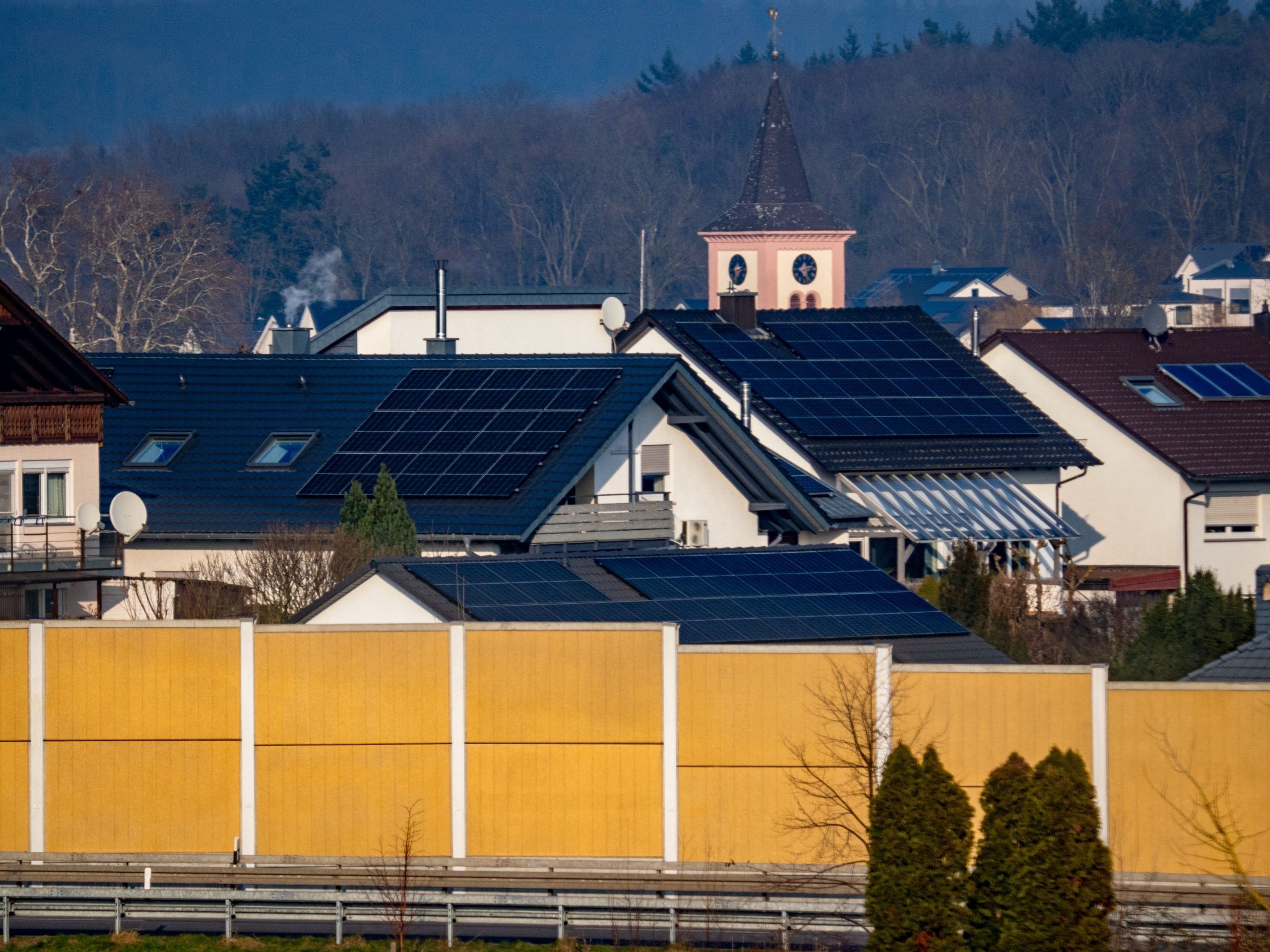
Source: shutterstock
However, it is more important to reduce the noise level by modernizing its source. Among the measures considered effective in the European Union are reducing vehicle speed limits in urban areas, using low-noise tires, and developing public transportation and bicycle traffic.