Plastic itself is partly to blame for climate change—its production generates emissions at all stages, even during disposal. Given that production volumes have increased 200-fold in 73 years, these emissions are enormous. However, new research has shown that global climate change is also to blame for the microplastic crisis.
CNN reports on this, citing a study published in Frontiers in Science.
The scale of the threat
An analysis of hundreds of studies has revealed specific links between climate change and the microplastic "epidemic":
- Accelerated degradation. High temperatures combined with increased humidity and sunlight speed up the breakdown of plastic into smaller particles. A temperature rise of 10°C doubles the rate of degradation.
- More widespread distribution. Extreme winds and floods not only accelerate degradation but also expand the geographical reach of pollution. For example, typhoons in Hong Kong increased microplastic content on beaches by a factor of 40.
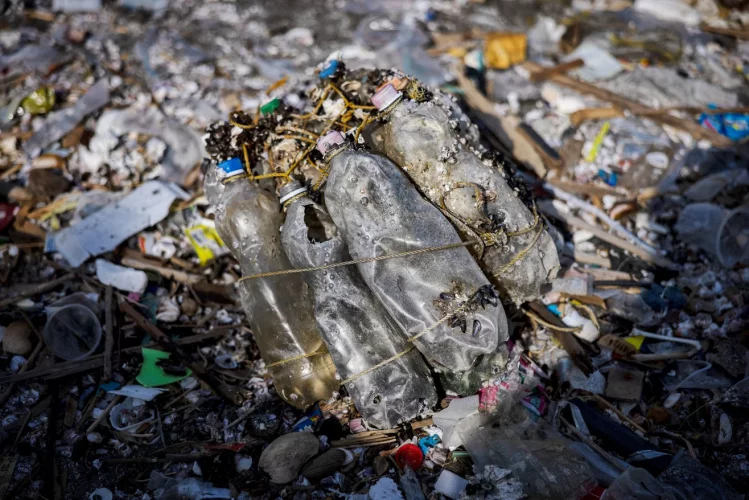
- Unnatural combinations. Floods and, more generally, inundations fuse plastic with stones. Their strong chemical bond contributes to the formation of ever-greater numbers of microplastic particles.
- Release by fire. Wildfires are becoming increasingly destructive and are encroaching on human settlements more often. The burning of offices, cars, and residential buildings releases both toxic substances and microplastics from all the plastic materials present indoors into the air.
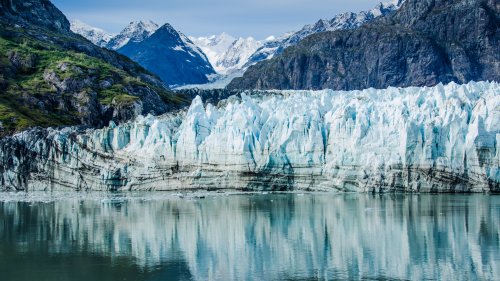
- Ice trap. Sea ice can retain microplastics. But as global temperatures rise, ice melts, and all harmful particles are released back into circulation.
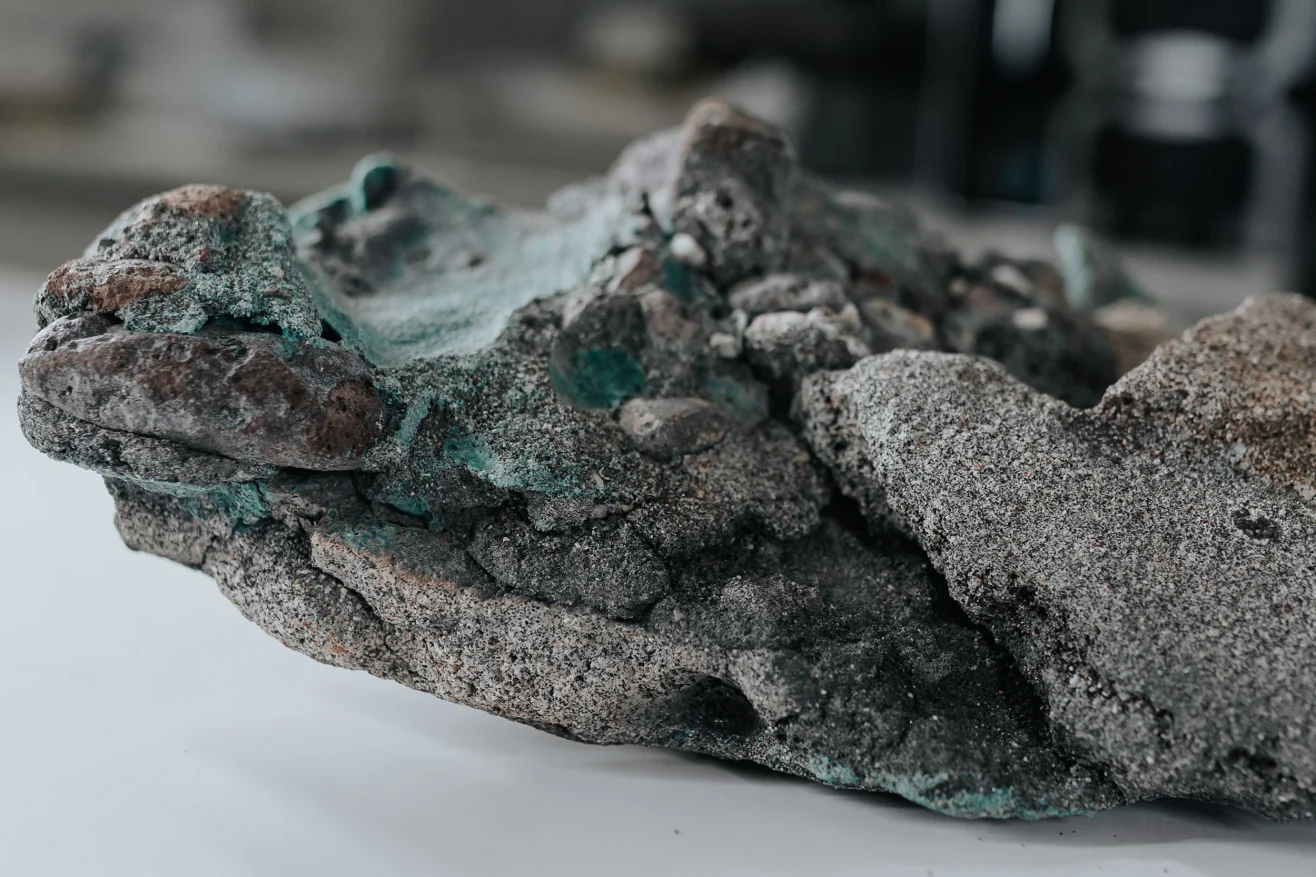
"Plastic rock." Source: AFP / Getty Images
Increasing damage
Plastic particles serve as a vehicle for "forever chemicals" and pesticides. As temperatures rise, plastic more easily absorbs and releases these toxic substances into the environment, losing its relative stability.
At the same time, global warming makes plastic itself more dangerous. When heated, harmful chemical compounds are released from it more quickly.
Living creatures under attack
Climate change is warming the world's oceans and making the marine environment more acidic. It is already difficult for aquatic creatures to adapt to such changes. But microplastic pollution makes them even less resistant to external conditions. This applies in particular to fish, mussels, sea snails, sea urchins, and corals.
Microplastics also tend to migrate up the food chain. Some creatures, such as mussels, filter polluted water. Mussels are eaten by predators, and those predators are eaten by other, larger predators. This is how pollution reaches killer whales and sperm whales.
Solutions that are needed yesterday
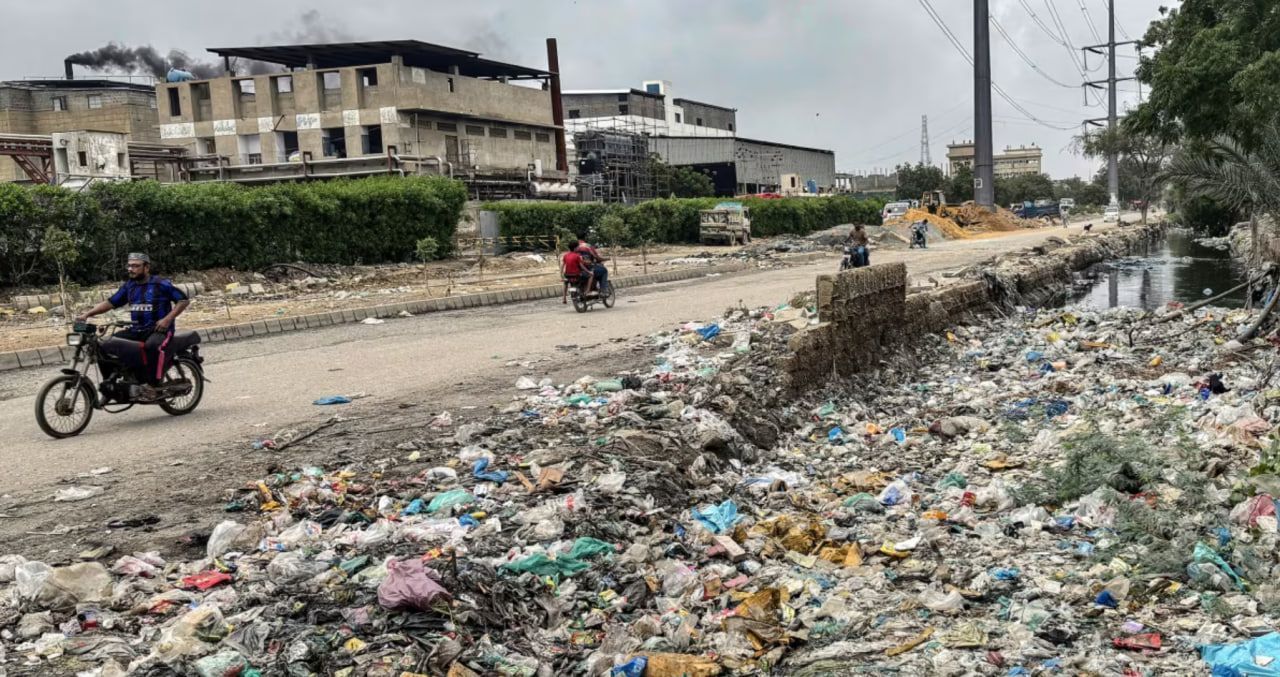
Researchers propose several solutions that could curb the "plastic crisis." Among them are:
- reducing plastic use;
- recycling plastic;
- redesigning products and packaging to eliminate unnecessary plastic components.
Source: AFP / Getty Images
The world urgently needs to reach an agreement on such measures. However, negotiation experience demonstrates that countries are still not ready to find common ground.
“We need to act now, because the plastic being discarded today poses a threat of future global ecosystem destruction,” said Stephanie Wright, study author and Associate Professor at the School of Public Health, Imperial College London.
Earlier, EcoPolitic reported that perfluoroalkyl substances, known as “forever chemicals”, have already been found in the bodies of dolphins and whales. This confirmed that even living in deep waters does not save species from the consequences of human actions.