Air quality is an important factor affecting people's well-being and health. As of the morning of October 28, there are generally no places in Ukraine where time outdoors should be limited, but moderate exceedances are observed in several major cities.
This is evidenced by data from the international monitoring platform IQAir.
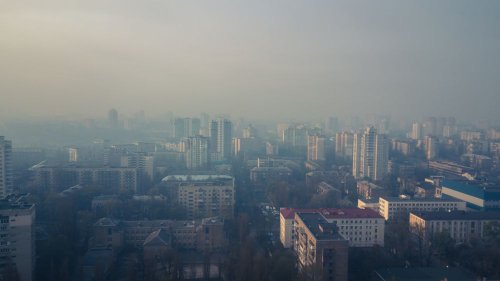
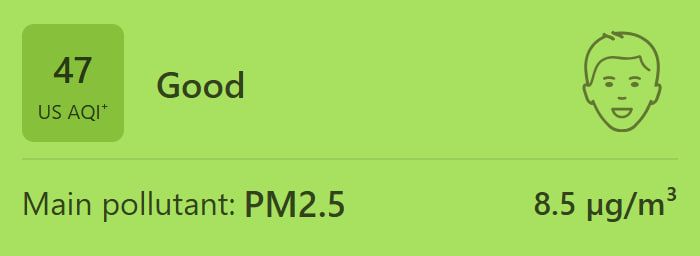
Air quality in Kyiv is currently good based on averaged readings from different parts of the city. The main pollutant is fine particulate matter PM2.5, with a concentration of 8.5 µg/m3. The upper limit of the norm for this indicator, according to WHO recommendations, is 5.5 µg/m3.
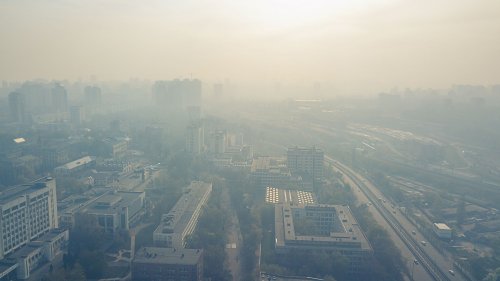
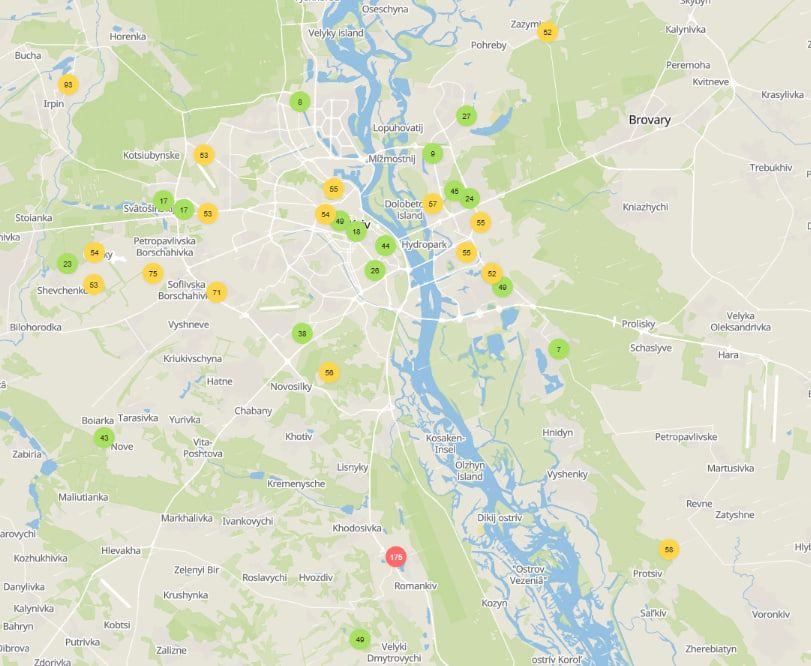
Moderate pollution is also recorded locally in the capital, which is not yet considered dangerous for residents. In particular, on Kyrylivska Street and Khotkevycha Street, the dust concentration is 11.1 µg/m3, and on Kakhovska Street – 12.4 µg/m3.
A number of major cities show moderate pollution with the following dust concentrations:
- Ivano-Frankivsk – 19.7 µg/m3;
- Rivne – 16 µg/m3;
- Ternopil – 14.7 µg/m3;
- Zaporizhzhia – 12.8 µg/m3;
- Vinnytsia – 12.2 µg/m3;
- Chernihiv – 11.8 µg/m3;
- Mykolaiv – 11.7 µg/m3;
- Dnipro – 11 µg/m3;
- Chernivtsi – 10.6 µg/m3;
- Kharkiv – 9.3 µg/m3.
In the other regional centers, air quality is good. The dust level there is as follows:
- Zhytomyr – 7.2 µg/m3;
- Lviv – 6.7 µg/m3;
- Odesa – 6.2 µg/m3;
- Cherkasy – 4.9 µg/m3;
- Lutsk – 4.5 µg/m3;
- Uzhhorod – 4 µg/m3;
- Khmelnytskyi – 3 µg/m3;
- Kherson – 2.6 µg/m3;
- Poltava – 2.5 µg/m3.
Air pollution is an important factor affecting people's health and well-being. A high concentration of harmful substances and particles can exacerbate or even trigger cardiovascular and respiratory diseases.