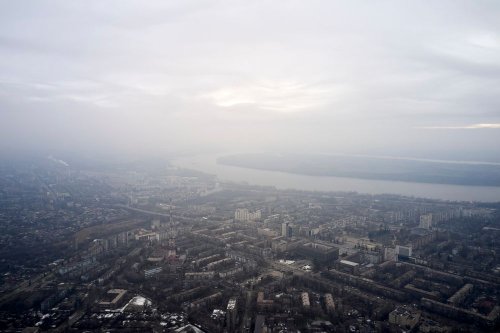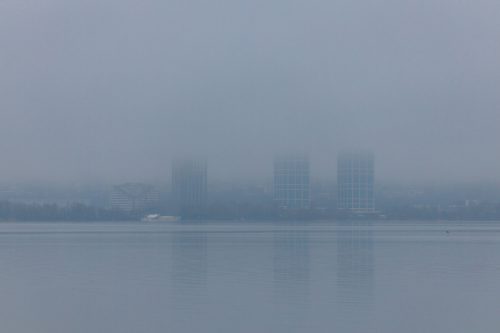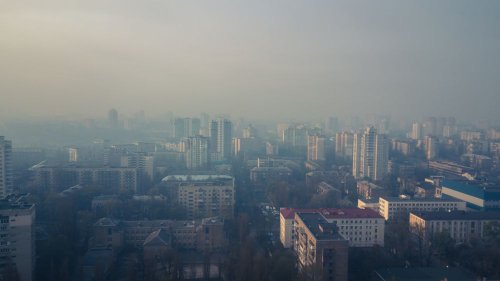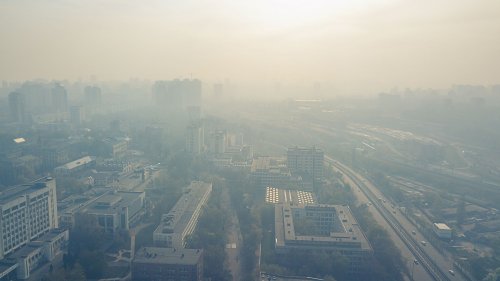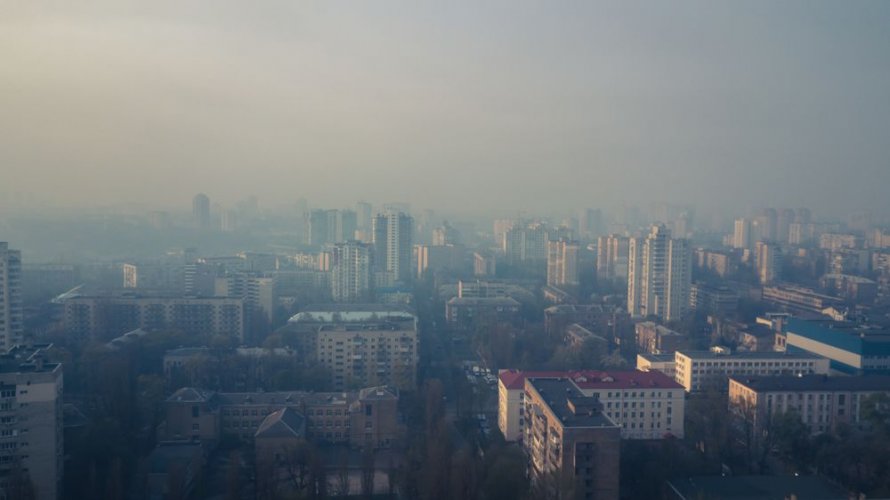
As of the morning of October 30, Ukraine's regional centers mostly show a moderate level of pollution. This does not yet pose a danger to spending time outdoors. However, according to the US AQI⁺ index, the air poses no health risks even for the most sensitive people in only seven major cities.
This is evidenced by data from the monitoring platform IQAir.
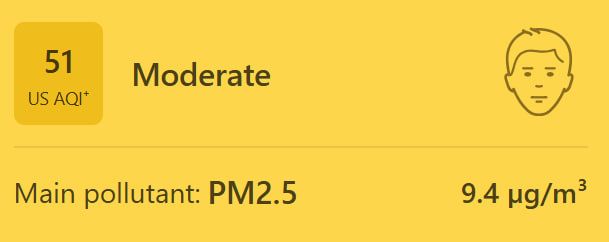
On average, pollution in Kyiv is moderate. The concentration of the main pollutant, fine particulate matter PM2.5, reaches 9.4 µg/m3, while the WHO norm is 5.5 µg/m3.
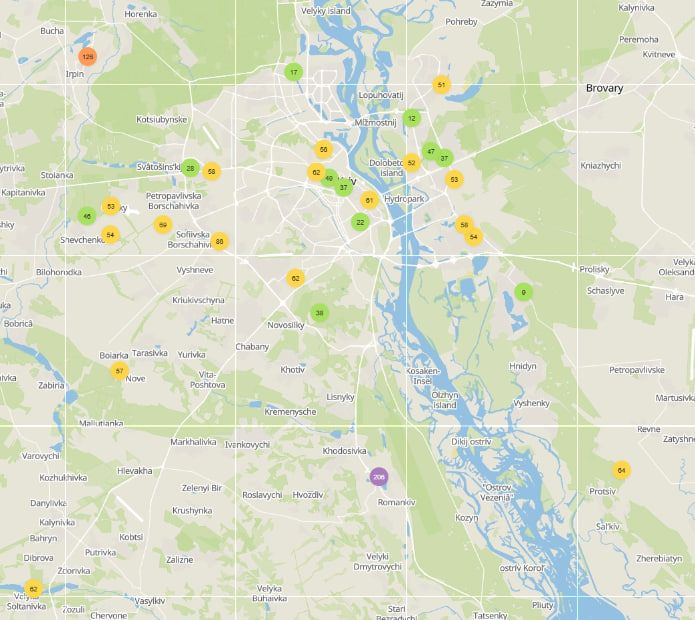
At some locations, the content of fine particles in the air is higher: on Sichovykh Striltsiv Street (14.9 µg/m3), Trostianetska Street (10.9 µg/m3), Horlivska Street (12.6 µg/m3) and Khotkevycha Street (11.9 µg/m3).
Dangerous exceedances are recorded near the capital. In Irpin, the air has an "orange" pollution level and is unhealthy for sensitive groups. The dust concentration there is 45.6 µg/m3. In Velyki Dmytrovychi, the air is very unhealthy, so everyone without exception should limit their time outdoors and keep windows closed.
Most regional centers show a moderate level of air pollution:
- Ivano-Frankivsk – 28.3 µg/m3;
- Chernivtsi – 22.5 µg/m3;
- Rivne – 16.7 µg/m3;
- Vinnytsia – 15.1 µg/m3;
- Ternopil – 14.8 µg/m3;
- Odesa – 13.9 µg/m3;
- Kharkiv – 12.5 µg/m3;
- Zaporizhzhia – 11.9 µg/m3;
- Chernihiv – 10.9 µg/m3;
- Lutsk – 10.7 µg/m3;
- Zhytomyr – 10.2 µg/m3;
- Mykolaiv – 9.2 µg/m3.
In the other major cities, it is currently safe to breathe outdoor air:
- Dnipro – 8 µg/m3;
- Lviv – 7.4 µg/m3;
- Cherkasy – 7.3 µg/m3;
- Khmelnytskyi – 6.2 µg/m3;
- Poltava – 4.9 µg/m3;
- Kherson – 3 µg/m3;
- Uzhhorod – 2.4 µg/m3.
A high content of harmful compounds in the air threatens human health. It can lead to the exacerbation or even the onset of respiratory and cardiovascular diseases. Read more about the impact of the environment on the body in this article.