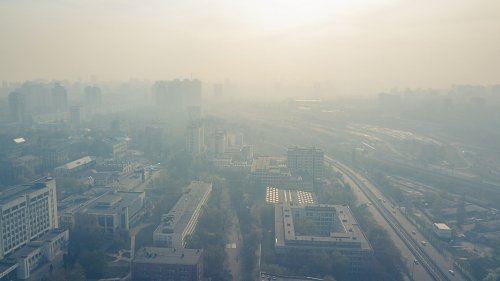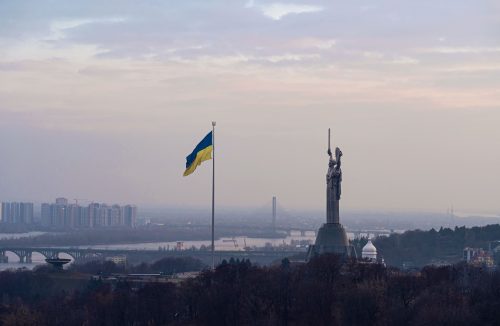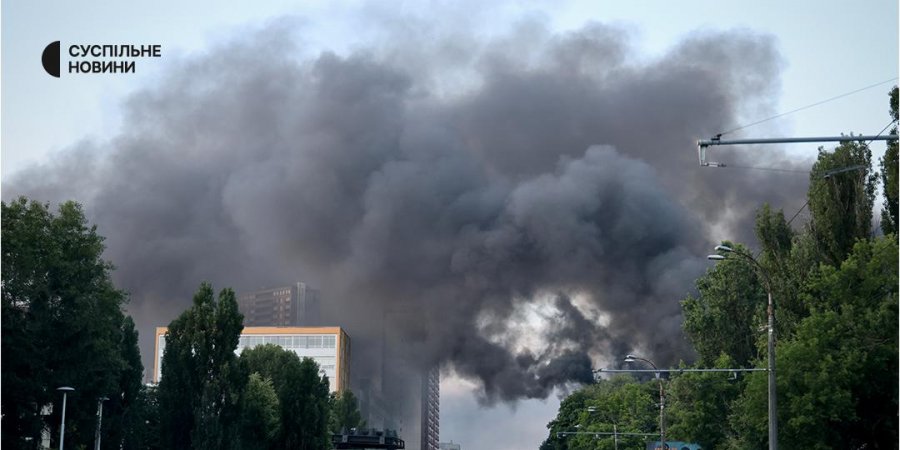
In Kyiv, following Russian shelling on the night of June 16-17, as of 12:00 p.m., the overall level of air pollution remains within acceptable limits, but a local deterioration in air quality has been recorded in areas where fires broke out, especially in the Darnytskyi district.
This was reported by the Ministry of Environmental Protection and Natural Resources of Ukraine.
On the right bank of the capital, the level of pollution is mostly low. The air quality index (AQI) ranges from 23 to 33.
On the left bank, there is an average level of pollution, especially in the Darnytskyi district. Here, the air quality index reached 80 points. The ministry cited the increase in concentrations of PM2.5 and PM10 particulate matter as the main reason for this deterioration as a result of fires after shelling.
The radiation background in the city is stable and within normal limits.
The Kyiv City Council, citing the Department of Environmental Protection and Climate Change Adaptation of the Kyiv City State Administration, reported that at the stationary atmospheric air monitoring station at 22 Kytaivska Street, the overall air quality index is 94, which corresponds to a high level of pollution. The average level of pollution was recorded only at the station located at 26 Arkhitektora Verbytskoho Street in the Darnytskyi district of the capital.
At the other four stationary atmospheric air monitoring stations, very low or low levels of pollution were observed.
As of 12:00, the department's map for real-time air quality monitoring looks as follows:
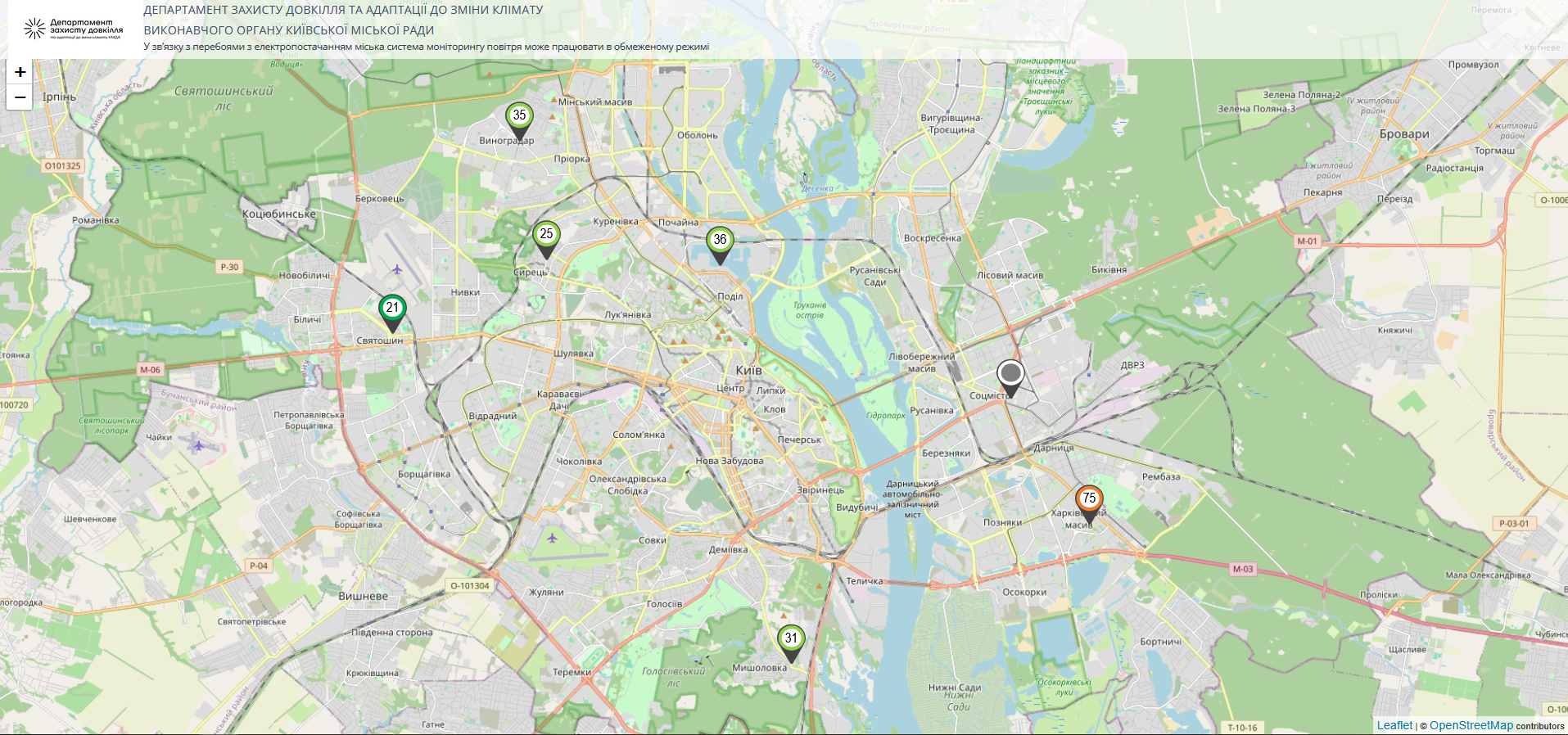
Screenshot from asm.kyivcity.gov.ua.
According to the SaveEcoBot service, the highest level of pollution is recorded at one observation point (at 26 Arkhitektora Verbytskoho Street) — 102 points, while at the others it is moderate or good:
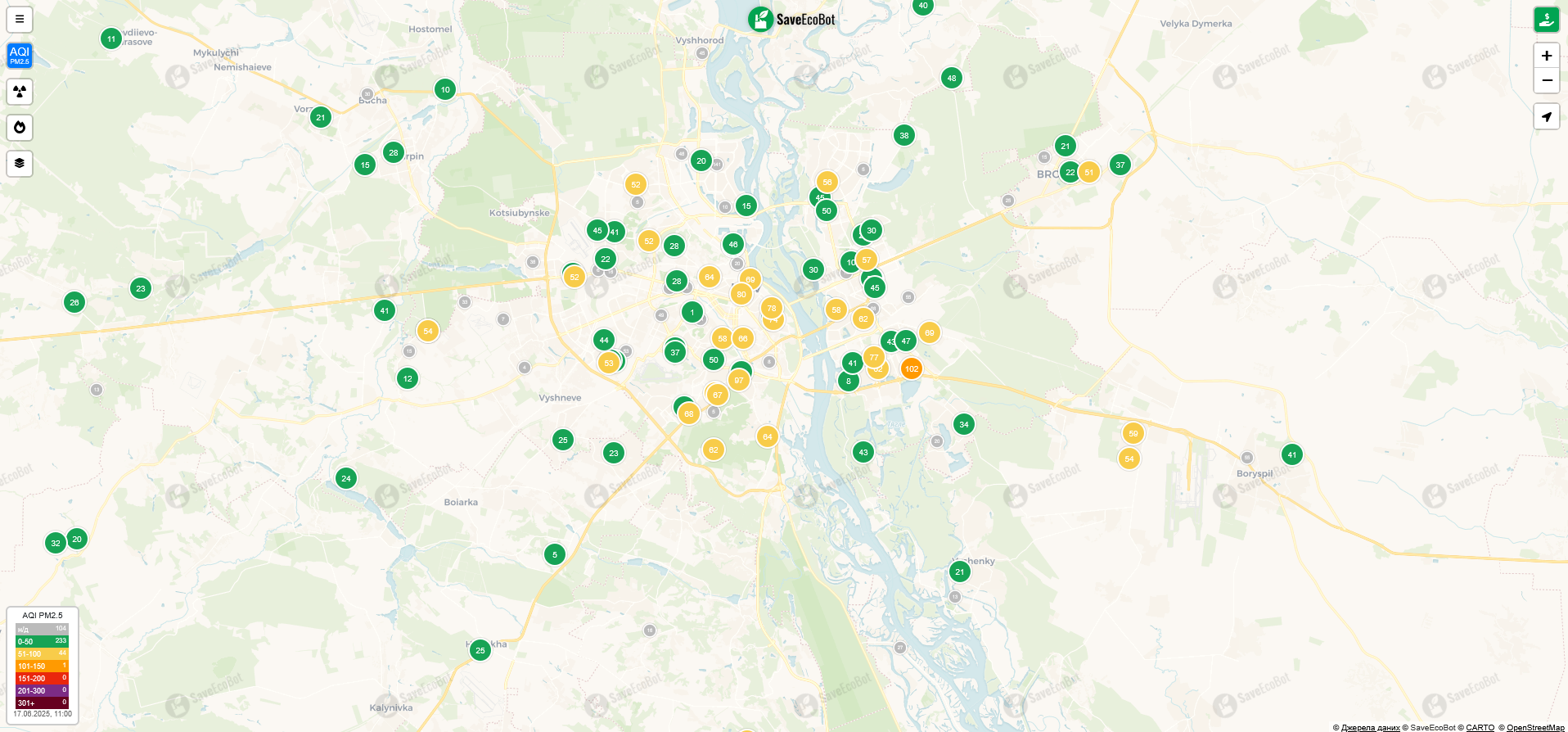
Screenshot from saveecobot.com.
According to the web resource EcoZagroza, the air pollution map in Kyiv as of 12:00 on June 17 looks like this:
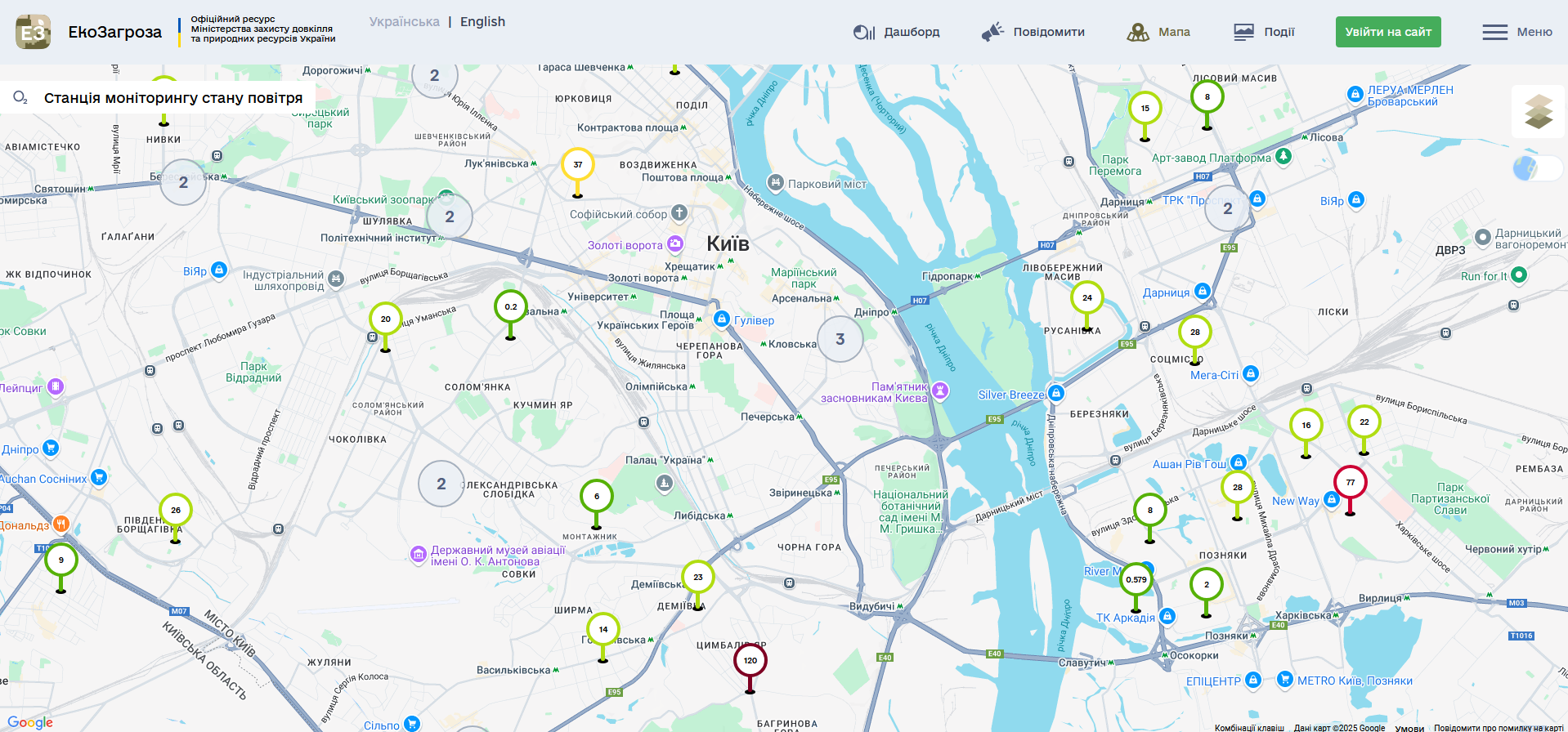
Screenshot from ecozagroza.gov.ua.
At the observation point at 42/1K10 Nauky Avenue, the air pollution level is currently dangerous, and at 6E Trostyanetska Street, the air quality is characterized as very poor.
Therefore, the Ministry of Environment recommended avoiding outdoor activities, not ventilating rooms, maintaining water balance, and turning on air purifiers to maximum power if available.
“People with respiratory and cardiovascular diseases should pay particular attention to these recommendations,” the ministry emphasized.
On June 10, EcoPolitic reported on the air quality in the capital after one of the most massive night attacks on the city in recent times.