In France, scientists have detected the first signs of recovery in insect-eating bird populations. Researchers directly attribute this to the ban on neonicotinoid pesticides in the European Union.
This is reported by The Guardian.
The story of yet another poison
Neonicotinoids are a class of pesticides that were widely used in agriculture and even as an ingredient in flea treatments for pets. These substances made plants poisonous to insects. Bees were no exception. As early as the beginning of the 2000s, cases of mass bee deaths were recorded in France and Germany.
Although representatives of agricultural and chemical companies actively opposed the ban, the EU nevertheless banned the use of these insecticides on its territory in 2018.

Photo: The Guardian
Fluctuations in bird populations
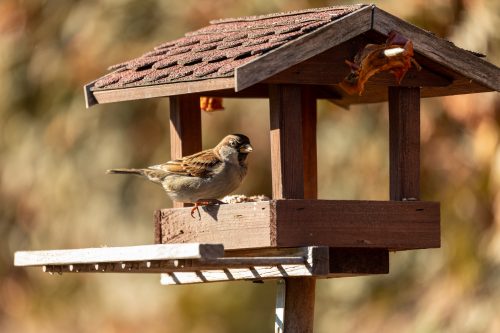
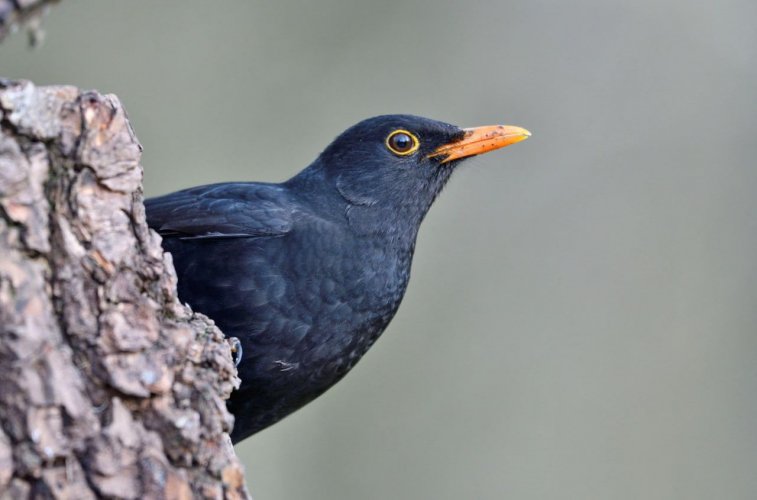
Scientists analyzed data on the number of insectivorous birds collected from approximately 2,000 plots measuring 2*2 km. Information for the period from 2013 to 2018 shows that the number of birds on land treated with neonicotinoids was 12% lower than on "clean" plots. However, from 2019 to 2022, the bird population increased by 3%. Among them are blackbirds and finches.
"Overall, our results show that it will take several decades for insectivorous bird populations to recover. But we consider this to be normal, as studies of other pesticides show that most bird populations need 10 to 25 years to fully recover," said Thomas Perrot of the Biodiversity Research Foundation in Paris.
The harmful impact of agriculture
In pursuit of maximum yields, farmers use any methods that are not yet prohibited. Initially, intensive farming causes birds to lose their natural habitat and, subsequently, their food source. While the EU is belatedly researching the impact of specific types of pesticides and banning them, the situation in developing countries is completely uncontrolled.
"In my opinion, this shows that our system for testing pesticides before they are released on the market is not good enough. We have been doing this for 50 years for all types of pesticides — we go through the same process every 10 years and learn very little from history," said Frans van Allebek of the environmental organization BirdLife Netherlands.
As EcoPolitic previously reported, the number of fireflies in Europe is declining. Scientists and enthusiasts are looking for ways to maintain the population.