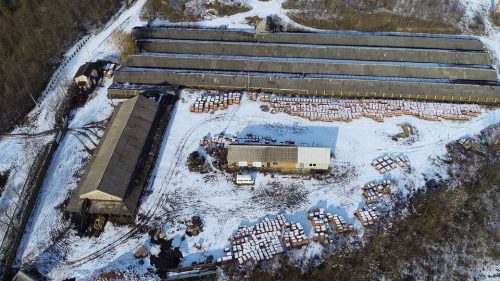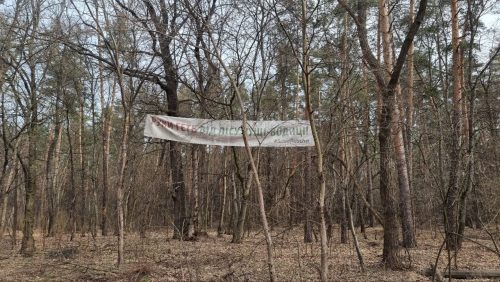
In 2021-2025, logging volumes in 9 national parks increased by 2-6.7 times. These are, in particular, Biloozerskyi (Kyiv region), Zalissia (Kyiv and Chernihiv regions), Synihora (Ivano-Frankivsk region), Skole Beskydy (Lviv region), etc.
This was stated by Volodymyr Boreiko, director of the Kyiv Ecological and Cultural Center (KECC).
Boreiko noted that according to the official limits approved by the Ministry of Environmental Protection and Natural Resources of Ukraine (liquidated), about 1 million cubic meters of trees are cut down annually in protected areas of Ukraine. This is approximately 10% of all harvested timber in Ukraine.
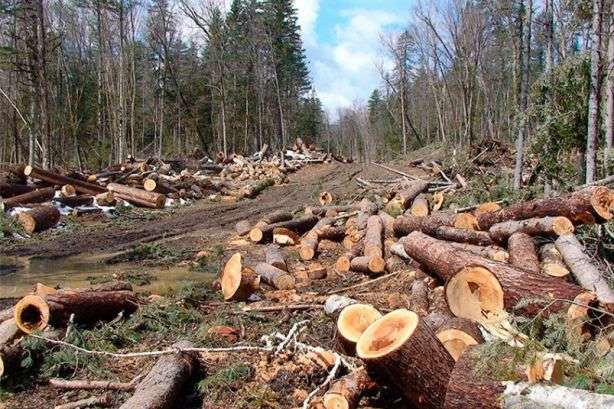
Photo: facebook.com
According to Boreyko's estimates, the sale of this volume of timber brings in between UAH 2.5 and 5 billion annually.
The KECC cites examples of limits issued in violation:
1) In the Medobory nature reserve (Ternopil region), the Ministry of Ecology allowed the harvesting of 36 cubic meters of wood under the guise of "environmental protection" measures. However, logging in nature reserves is prohibited under Article 16 of the Law of Ukraine "On the Nature Reserve Fund".
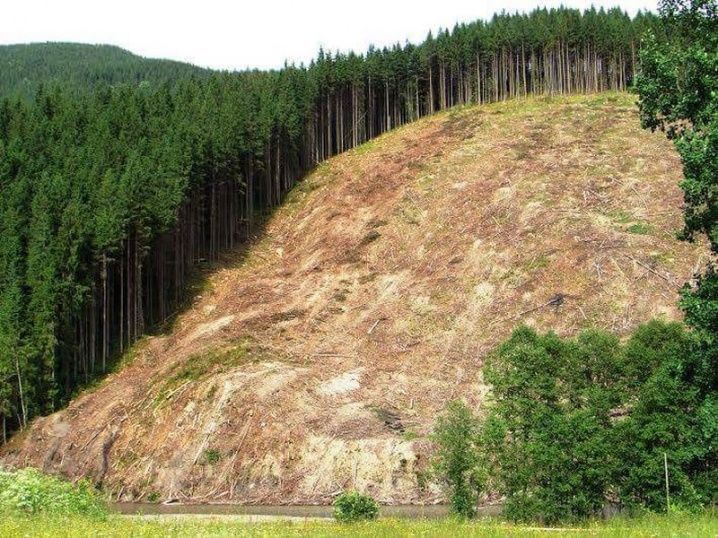
Photo: facebook.com
2) The timber harvesting limit for Yavoriv National Park states that trees are to be cut throughout the year. However, this contradicts Article 39 of the Law of Ukraine "On Wildlife", which prohibits felling during the silence season (from April 1 to June 15).
"It's not just a violation, it's a cynical imitation of environmental protection that actually destroys ecosystems," emphasizes Boreiko.
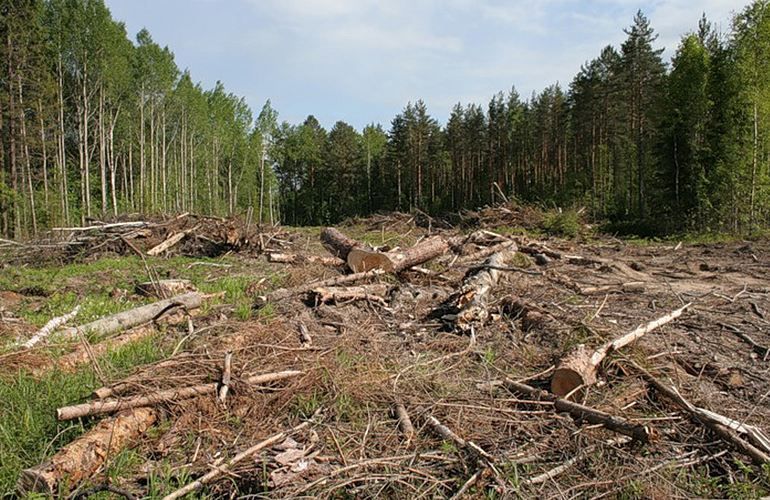
Photo: facebook.com
According to the KECC, the ministry often refuses to provide information about the limits or sends incomplete answers. Some reserves, such as Chornobyl (Kyiv oblast), Medobory, Yelanetska Steppe (Mykolaiv oblast), Tsumanska Pushcha (Volyn oblast), Biloberezhzhia Sviatoslav (Mykolaiv oblast), even deny receiving limits, although they actually have them.
Sanitary felling
According to KECC representatives, the most common justification for logging is sanitary and health measures. According to the documents, they are supposed to "treat" the forest from pests. But in practice, Boreiko says, the number of such "treatments" is growing every year, while the forests are getting smaller.
It should be reminded that in 2024, Ukraine recorded the highest volume of illegal logging in the last four years – more than 39.6 thousand cubic meters of wood, which is 30.7% more than in 2023.
Experts examined 8399 thousand hectares of forests of forest users of various subordination and forms of ownership. In total, forest users registered about 5,300 cases of illegal logging with a volume of more than 39 thousand cubic meters, which is 0.27% of the total legal logging volume for the year.