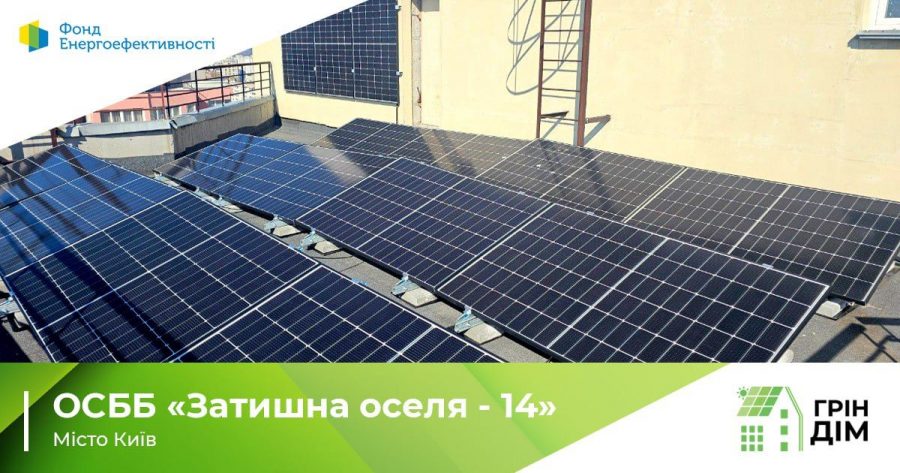
An unexpectedly cold winter marked by shelling, prolonged power outages, and disruptions in heat supply posed a challenge for many Ukrainian cities. However, the "Zatyshna Oselya – 14" homeowners' association in Troieshchyna managed to get through it with almost no outages and without having to drain the pipes. This was the result of building their own solar power plant (SPP) as part of the state-funded "GreenDIM" program.
This was reported by the Energy Efficiency Fund.
Despite initial hesitation, the 132 families living in the building decided a year ago to participate in the program, investing in their own energy security.
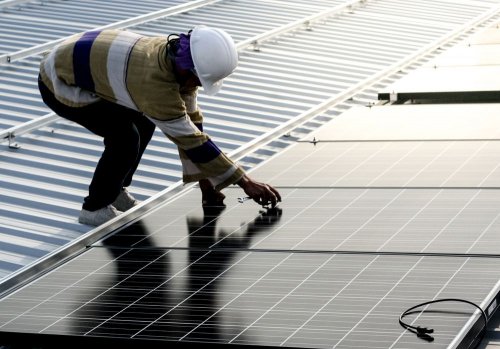
As part of the "GreenDIM" program, 24 kW of solar panels were installed on the building, along with a 24 kW inverter and batteries with a total energy capacity of 60 kW.
“Even on frosty days, the sun literally saved the situation. While the district endured blackouts, our building lasted more than 30 hours on its own generation. The elevators operated, the corridor lights were on, the pumps supplied water, and the video surveillance system worked. Life did not stop for a minute,” said Sergey Vasylina, head of the homeowners association.
According to the Energy Efficiency Fund, the clearest evidence of the project’s effectiveness is that the "Zatyshna Oselya – 14" association did not have to drain the water from the heating system. The building became the only one in the district where such drastic measures were unnecessary, as the SPP ensured uninterrupted water circulation and prevented the pipes from freezing.
Results in numbers
The project implemented at the capital’s condominium association cost 1.7 million UAH. The Energy Efficiency Fund provided 1.1 million UAH in grant form, while the residents contributed the rest – the individual share per family amounted to about 4,000 UAH.
Since its launch, the building’s SPP has already generated 14.8 MWh of energy. As a result, the homeowners association’s budget savings have exceeded 62,000 UAH.
EcoPolitic previously shared the story of the town of Dolyna in the Ivano-Frankivsk region. Thanks to systemic energy modernization, they have already almost abandoned fossil gas, while winter outages have not affected the operation of critical infrastructure.