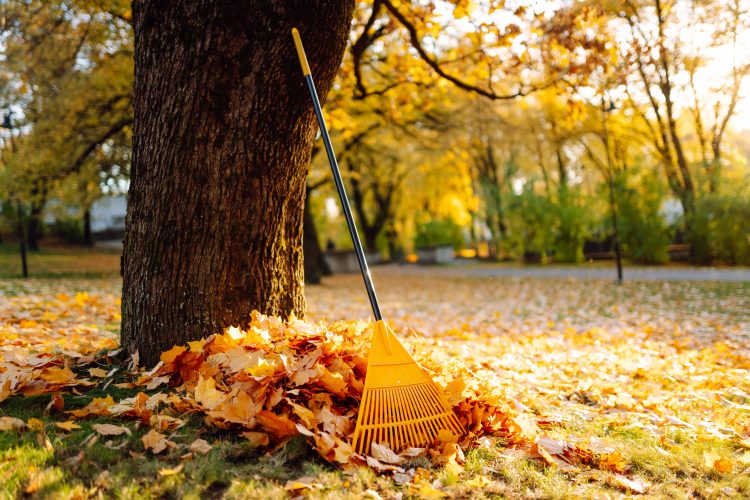
Autumn in Ukraine traditionally marks the start of the season for clearing fallen leaves from gardens, vegetable patches and parks. Many people opt for the worst possible solution — burning them, thereby releasing toxic compounds into the air and risking hefty fines. However, there are more useful ways to make use of plant waste.
This was reported by the State Environmental Inspectorate.
If you burn it, you’ve paid for it
It is worth mentioning straight away the fines set out in the Administrative Code. There are two ways in which you might face penalties:
- breaches of fire safety regulations in forests. Article 77 provides for a fine of between 1,530 and 4,590 UAH for members of the public, and between 4,590 and 15,300 UAH for public officials;
- the unauthorised burning of vegetation or its remains. Fines for this offence are set out in Article 77-1. The penalty for members of the public ranges from 3,060 to 6,120 UAH, and for public officials from 15,300 to 21,420 UAH. If, however, the offence is committed within a nature reserve, the penalties are increased and range from 6,120 to 12,240 UAH for members of the public, and from 21,420 to 30,600 UAH for public officials.
Harm to nature and people
Burning leaves is rightly considered an environmentally harmful practice. It gives rise to several risks at once, which can harm the ecosystem, the soil and even human health:
- Air pollution. During combustion, smoke, fine particulate matter and combustion products are released into the atmosphere. Deteriorating air quality is extremely dangerous for children and the elderly, as well as for vulnerable groups of the population with respiratory and cardiovascular conditions.
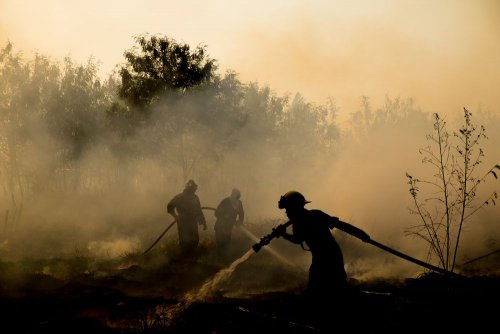
- Risk of the fire spreading. Careless handling of fire often leads to the surrounding area catching fire, along with whatever is in it — from scrub and woodland to outbuildings and houses.
- Destruction of organic matter. In natural ecosystems, leaves serve as a source of nutrients for plants and beneficial organisms, whilst burning them simply deprives nature of a vital resource.
Useful alternatives
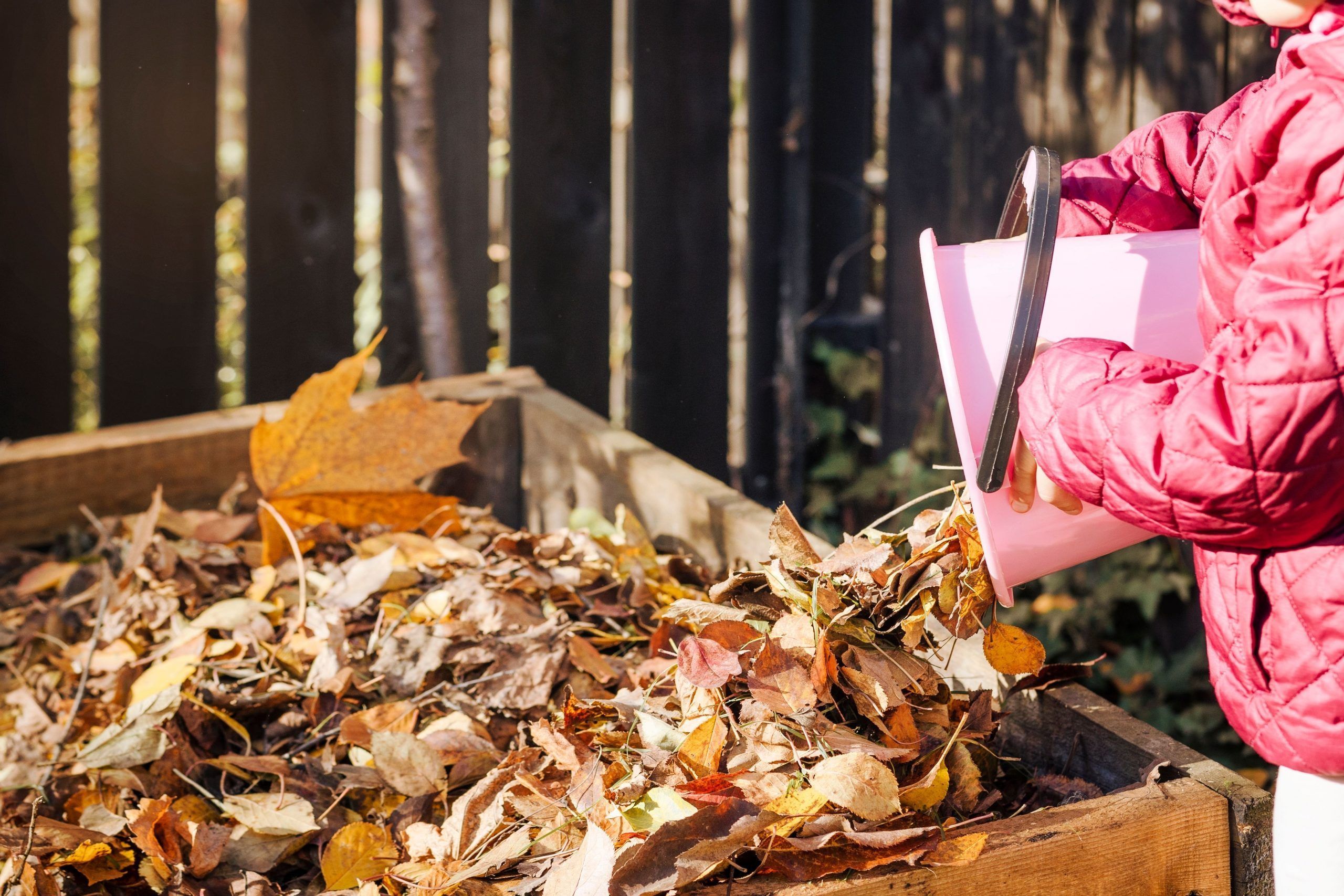
Experienced gardeners reuse fallen leaves by using them for mulching or composting.
After composting, the leaves become fertiliser. To achieve this, they should be mixed with other plant matter to prevent a solid layer from forming, and to ensure that the nutritional value of the mixture, once it has decomposed, contains a wider variety of trace elements. The compost is then added to the soil, which increases its fertility and moisture-retention capacity, as well as making it looser.
Mulching is less labour-intensive. To do this, you simply leave the leaves on the ground as a natural mulch. They protect the surface from temperature fluctuations and drying out, and after decomposing naturally, they gradually become fertiliser too. This type of mulch is most beneficial around the trunks of trees and shrubs. However, you should not create a layer that is too thick, as this can trap too much moisture and prevent the soil from ‘breathing’. A thickness of 5–10 cm is sufficient, and if the leaves are too loose, they can be shredded.
Source: Shutterstock
Important points to note:
- Leaves affected by fungus are best composted. If left as mulch, the disease may spread;
- Soft, shredded leaves decompose more quickly than tough, dense leaves, such as those of oak or beech;
- Walnut leaves contain compounds that can harm sensitive plants. It is best to use them as mulch with some caution, or better still, to compost them.
Previously, EcoPolitic explained in which circumstances putting up a bird feeder could result in a fine.
We also reported on whether it is permitted to cut down dead trees in the forest.