During a routine birdwatching survey in the Lower Dniester National Park in the Odesa region, biologists discovered large-scale cannabis plantations. A notorious individual is suspected of being behind the cultivation; he has repeatedly breached the rules governing the use of protected land and attempted to discredit the park’s staff.
This was reported by Ivan Rusev, head of the scientific department at the Tuzly Estuaries National Nature Park, on his Facebook page.
An unexpected discovery
Biologists had planned to study the population of the great cormorant and check whether there were any nesting sites for the pink pelican in the national park. What appeared to be a routine scientific survey ended with the discovery of several plots of cannabis.
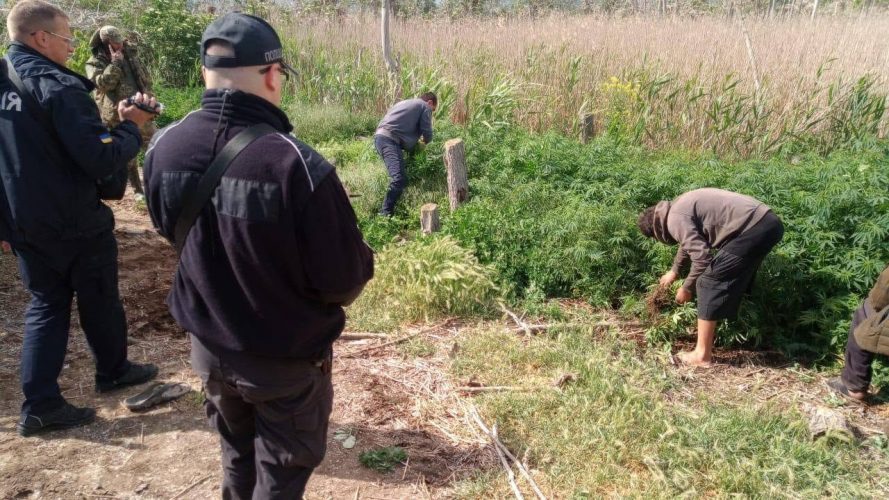
“Later, the park inspectors thoroughly examined the area and found several more such sites. The total number of seized plants reached 5,120, which clearly indicates an industrial scale of cultivation,” – said Ivan Rusev.
According to the scientist, the route of the patrol went through areas where employees often saw a certain citizen Melnychenko. He had previously been caught scaring birds away and filming manipulative videos allegedly aimed at turning the public against the birds.
Clearly not self-sown
Ivan Rusev notes that the plantations were carefully tended. This is indicated by several signs:
- Fertilizing the plants. The soil under the cannabis was already richly fertilized with cormorant droppings;
- Damaged trees. It was found that trees around the drug fields had been cut down so that no shade would fall on the plants.
The inspectors of the national park called the police. Law enforcement officers recorded the violation and initiated a criminal case No. 12026162250000487 dated 31.05.2026.
“We sincerely hope that law enforcement will stay on the right side of the law, conduct an objective investigation, and the court will bring the alleged offender to deserved responsibility,” – the scientist emphasized.
EcoPolitic previously reported that the Black Sea had again washed up a large amount of sunflower oil onto the spit of Tuzly Lagoons National Nature Park in Odesa Oblast. The oil entered the water back on April 26 after a Russian attack on the port of Chornomorsk.