Russian attacks are causing widespread destruction of buildings and structures. In addition to the risk to human life, economic losses, and the creation of hundreds of thousands of tons of waste, this poses another threat: the release of asbestos.
ReThink explained how to minimize health risks during dismantling and transportation.
Invisible harm
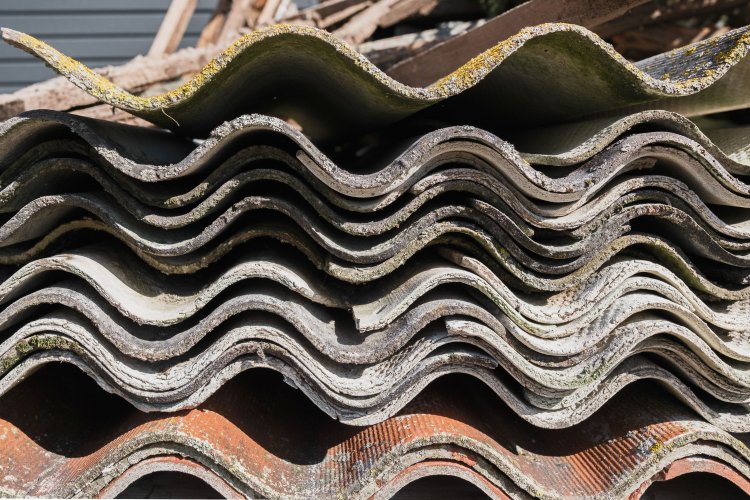
Asbestos is a source of long-term health risks. It was previously used in roofing, thermal insulation, and pipes. By the time humanity discovered the dangers of this material, it was already almost everywhere.
When buildings are demolished, microscopic asbestos fibers are released into the air. They enter the lungs and damage the respiratory tract, which can lead to serious diseases such as fibrosis or cancer.
An imperfect management system
The production of new materials containing asbestos (chrysotile) is prohibited in Ukraine, and its use is restricted. In addition, rules for disposal and dismantling have been introduced in the country. Some of them have been adapted to ISO and EU REACH standards. However, it is still too early to talk about an effective and comprehensive asbestos management system.
How to work with asbestos
- Identification of materials. Suspect materials are inspected or sampled for analysis, and all results are documented.
- Risk assessment. Materials are classified, dismantling technology is determined, a safety plan is drawn up for workers and residents, and the area is demarcated.
- Protective equipment. Workers require special respirators, protective suits, and clear decontamination procedures after contact.
- Dust prevention. Wet dismantling methods, local ventilation systems, and isolation of work zones are used.
- Proper packaging. Waste is placed in airtight double-layer bags or containers with a warning label "Contains Asbestos – Do Not Inhale Dust".
- Waste transportation. Every stage of transportation is accompanied by documentation.
- Safe disposal. Waste is delivered to specialized landfills where it is processed through a controlled procedure with mandatory record-keeping.
How Ukraine should respond
These safety rules should form the basis of clear, standardized procedures. To ensure that they are effective and make clearing debris after enemy strikes safer, experts suggest the following steps:
- Establishment of a laboratory network. Every region should have the capability to promptly conduct inspections using certified and precise methodologies.
- Approval of unified standards for packaging, transportation, and disposal. Disposal should take place at specialized landfill sites, the operation of which must be state-controlled.
- Inventory of buildings and structures that may contain asbestos. This work should include mapping, documentation, and publication of information for open access.
- Development of a unified electronic system for such sites. It should provide for the ability to track the status of these buildings – inspections, expert assessments, demolition, and disposal of the facility’s materials.
- Educational outreach for everyone involved at various stages of asbestos management – from engineers to waste transport operators.
EcoPolitic previously reported that the development of asbestos waste management regulations in Ukraine began only in 2024.
Legislation banned the use of this material in 2022.
By the end of 2024, over 600,000 t of construction waste generated by destruction had been recorded in Ukraine. The government provides no information about its composition or the locations of its storage.