3 more nature monuments created in Cherkasy region to protect Red Book plants

3 more nature monuments created in Cherkasy region to protect Red Book plants shutterstock

Anna Velyka

Deputies of regional and local councils contributed to this

The Cherkasy Regional Council has created 3 new nature reserve fund (NRF) sites. These are the botanical natural monuments Kruty Yarky, Brodets Grouse, and Chervonyi Luki.

This was reported by the Kyiv Ecological and Cultural Center (KECC), based on the materials of which specialists from the Department of Ecology and Natural Resources of the Cherkasy Regional State Administration prepared a decision to create new protected areas.

The 6.17-hectare Kruty Yarky botanical natural monument is located on the territory of the Korsun-Shevchenkivska ATC near the village of Harbuzyn. The KECC ecologists found a ravine with several Red Data Book plants: reticulated saffron, hairy feather grass, sleeping grass, and mountainsweet.
facebook.com/kekz.ua

Photo: KECC

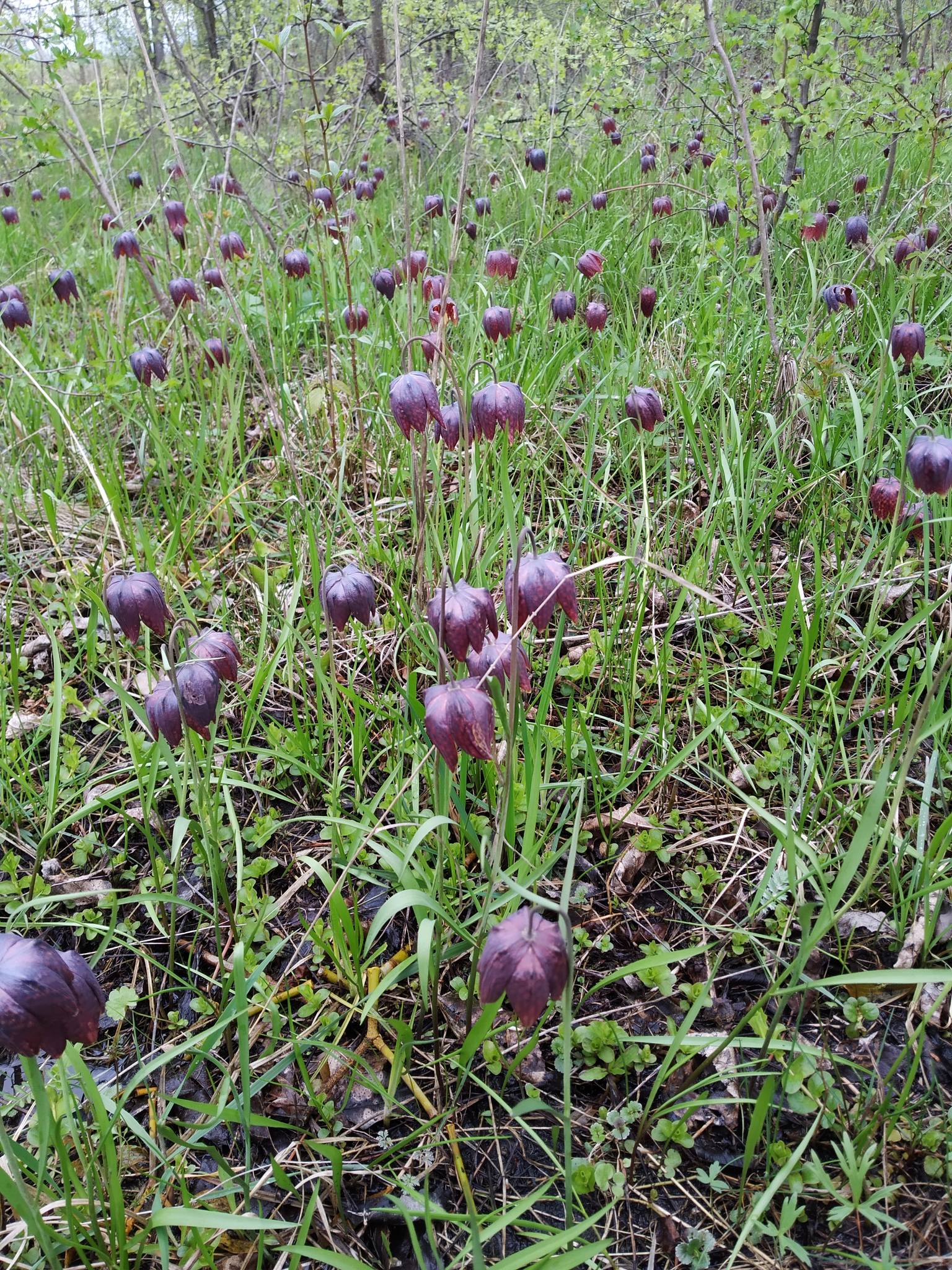
The botanical monuments of nature "Brodetskii grouse" and "Magic meadows" were created on the territory of the Katerynopil community on the Gnyliy Tikich river to protect the red book plant – the chess grouse.
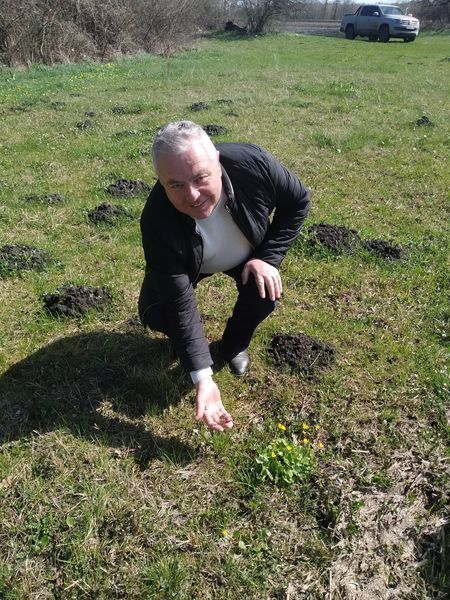
facebook.com/kekz.ua

Photo: KECC

The other day EcoPolitic informed that 6 new protected objects were created in Zhytomyr Oblast.
Related
This week’s round-up of environmental crimes: tree felling, environmental pollution and theft of mineral resources

Separately, prosecutors are attempting to return land belonging to the water, forestry and nature reserve funds to the state

The fire has engulfed thousands of hectares of the occupied nature reserve

Fires have destroyed areas of virgin steppe containing rare plants

The mechanism behind species extinction due to climate change has turned out to be quite different from what scientists had thought

45 per cent of the 5,100 species have become locally extinct in the warmest part of the region, where they previously lived