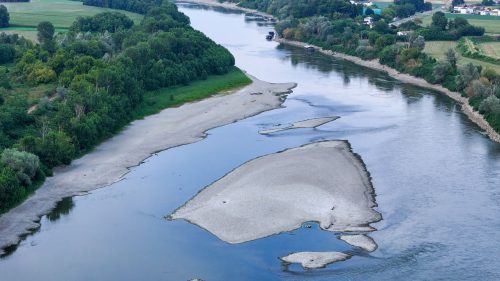
In Kryvyi Rih in the rivers Ingulets and Saksagan in August 2023 found exceeding the maximum allowable regulatory indicators of chlorides, sulfates and other pollutants.
Compared to July, the water quality of the Ingulets River has improved, reports the Department of Ecology of the Executive Committee of the Kryvyi Rih City Council on Facebook.
It is noted that such studies are conducted every month.
In August, ecologists found the following exceedances of MPC:
- in the Ingulets River – dry residue, chlorides, sulfates;
- in the Saksagan River – dry residue, chlorides, sulfates, biochemical and chemical oxygen consumption.
"Industrial enterprises that have permits for special water use have been sent requirements to ensure compliance with the conditions and requirements of permit documents," the message emphasized.
Environmentalists added that monthly inspections are also conducted for unauthorized leaks, particularly from private households that pollute the city's reservoirs.
Let us remind you that in June in Kryvyi Rih in the Ingulets and Saksagan rivers three-fold excesses of the maximum permissible concentrations according to chemical and sanitary-microbiological indicators were found.
As previously reported by EcoPolitics, in February, eco-activists discovered that only 3 out of 12 alternative water sources in Kryvyi Rih conditionally suitable for sanitary and domestic needs.