Environmental inspectors told how to properly sort waste for further recycling

Environmental inspectors told how to properly sort waste for further recycling Shutterstock

Anna Velyka

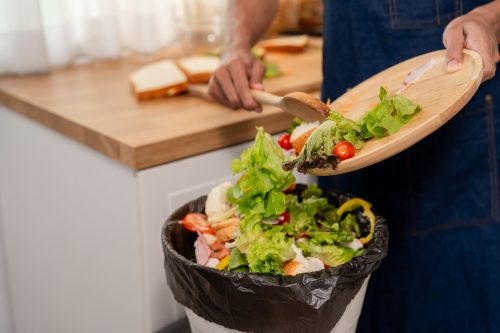
Proper distribution of household waste allows you to process it more efficiently, with less energy, time and human resources

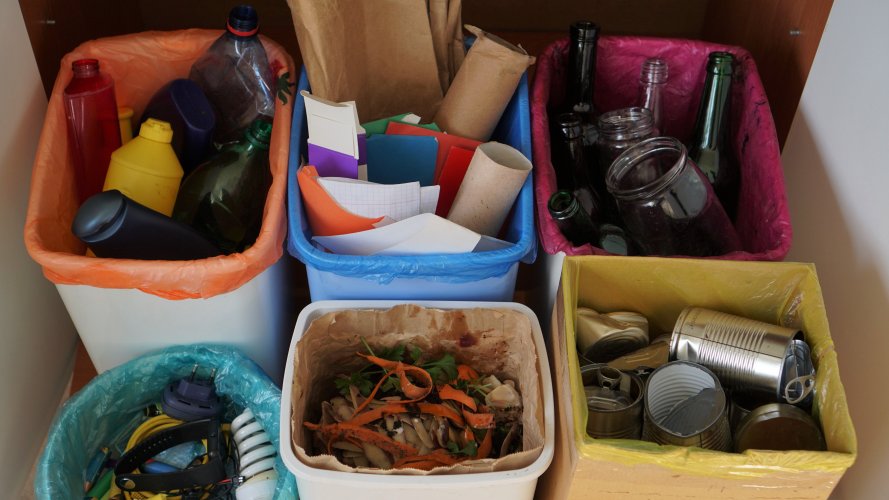
Specialists from the State Ecological Inspectorate of the Southwestern District explained how to properly handle sorted recyclable waste: glass and PET bottles, cardboard, paper, and electronic devices.

They shared the rules for preparing household waste for recycling on their Facebook page.

  1. Glass and PET bottles must be emptied and preferably washed with hot water, especially if they have been filled with an oily liquid or a liquid containing dyes. After washing the bottles, you should dry them, remove the labels from them, and it is better to put the caps back on the bottles. Also, the PET bottle must be cut in order to reduce its volume. Containers for household chemicals must be separated from spray nozzles.
  2. Cardboard it is necessary to remove the tape, cut the boxes and stack them.
  3. Paper is an excellent raw material for processing, but only if it has not been used as packaging for fish products or other products with a pronounced smell. It is impossible to rid paper of extraneous odors with any chemical means.
  4. Electronic devices discarded in containers for bulky waste or left in designated places, and power elements are previously removed and placed in special containers.

In March, EcoPolitic told how Lviv residents turned 27,000 tons of garbage into fertilizer in 4 years.
Related
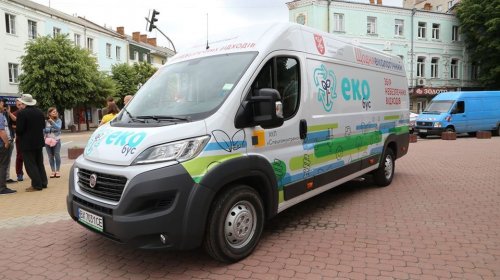
Where to dispose of hazardous household waste in Lviv, Poltava and Khmelnytskyi: the eco-bus timetable

The list of waste accepted for recycling by the eco-bus varies from city to city

Millions of tonnes of food go to waste: how much food does the average EU resident throw away?

Most food waste is generated in households – it is thrown away by residents themselves, rather than by restaurants or supermarkets

The Government has approved the Circular Economy Development Strategy up to 2035

The document covers measures ranging from the production of biomethane to the introduction of end-of-life collection schemes for plastics, clothing and batteries

Hundreds of tonnes of rubbish in Uman: how the city is cleaned up during the Hasidic pilgrimage

The final clean-up will be completed in one and a half to two weeks